Goa Beyond the Beaches: A Different Way to Experience Traveling in India
Travel Goa, Volunteer and Help It's Animals (part1)
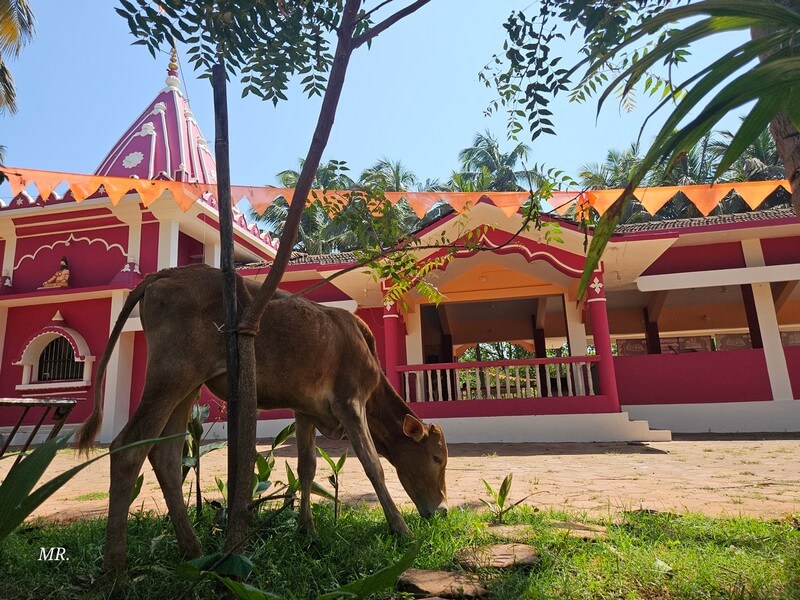
When we think of Goa, India, we usually picture tropical beaches, coconut palms, sunsets, parties, and a laid-back holiday atmosphere. But behind the beautiful beaches lies another reality.
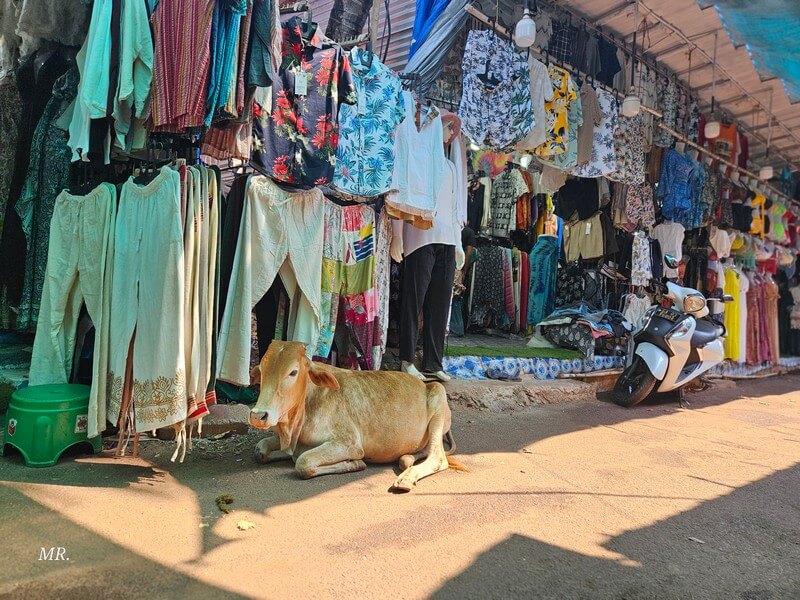
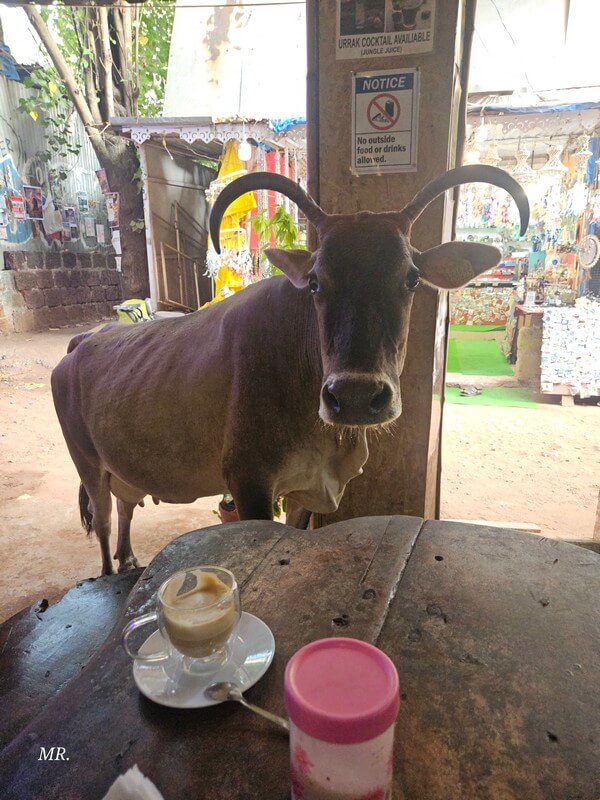
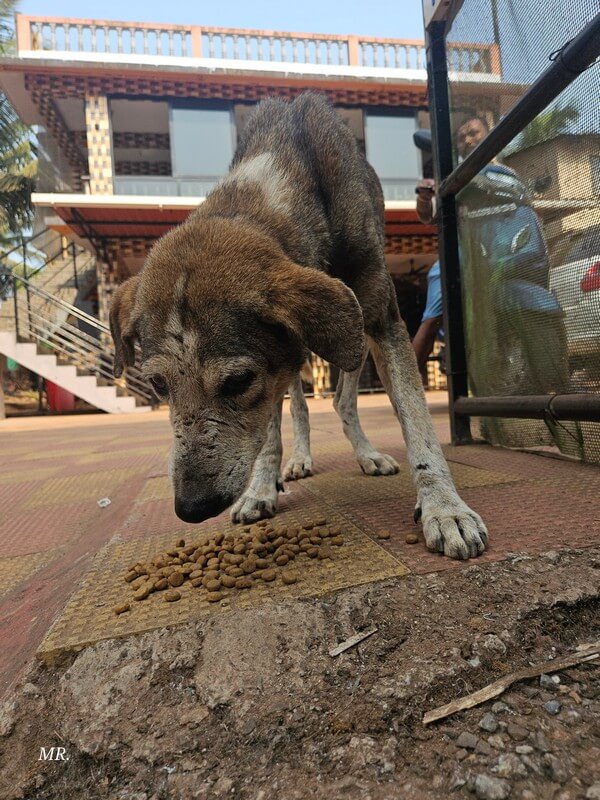
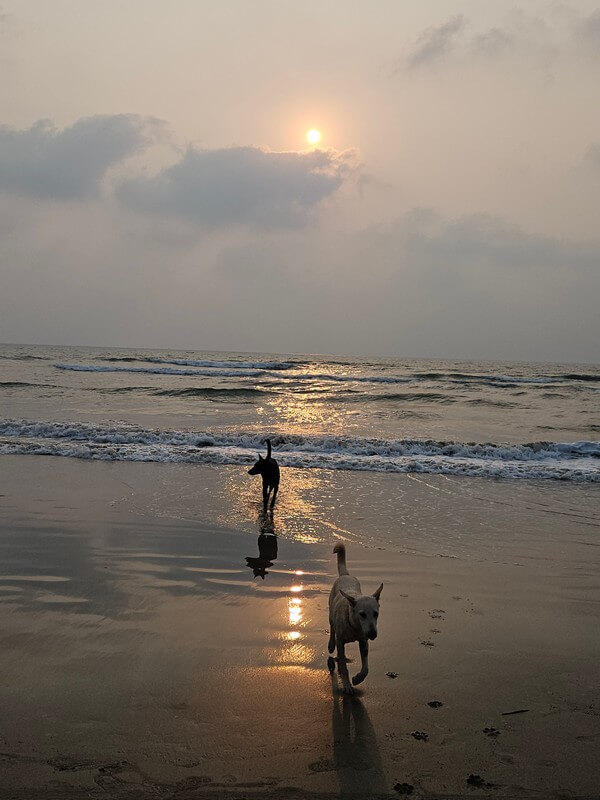
Thousands of dogs and cows live on the streets and beaches of Goa, some of them struggling every day with hunger, illness, injuries, and road accidents.
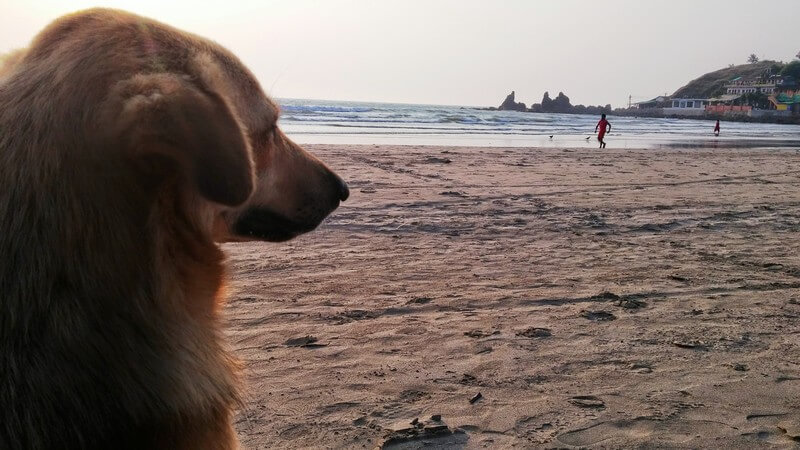
During my visit to Goa, I encountered huge numbers of dogs and cows everywhere I went. The dogs were especially friendly and eager for attention and affection. I fed as many of them as I could, but at the same time I wondered whether there were organizations caring for them on a more regular basis.
That is how I discovered WAG – Welfare for Animals in Goa, a nonprofit organization dedicated to rescuing animals and improving their lives

Visiting the shelter was much more than just another attraction for me. It was an opportunity to meet with people who work every day to help the animals, understand the challenges they face, and discover that travelers can also get involved and do something meaningful during their holiday
From a Guesthouse Dream to an Animal Shelter
WAG was founded by Mr. Atul Sarin, who moved to Goa about 20 years ago. His original plan was to open a guesthouse for tourists. But shortly after arriving, he became aware of the difficult situation faced by animals living on the streets.
Large numbers of dogs and cows were wandering the streets and beaches, many without access to medical care, and some injured or sick.
Atul decided to change direction. Instead of opening a guesthouse, he founded a nonprofit organization to help the animals.
Since then, WAG has become a place where injured animals are brought for treatment, particularly those involved in road accidents. At the same time, the organization runs extensive sterilization programs to help prevent the uncontrolled growth of the stray dog population.
Animals that cannot return to the streets for various reasons remain at the center, while the team also works to find them adoptive homes.
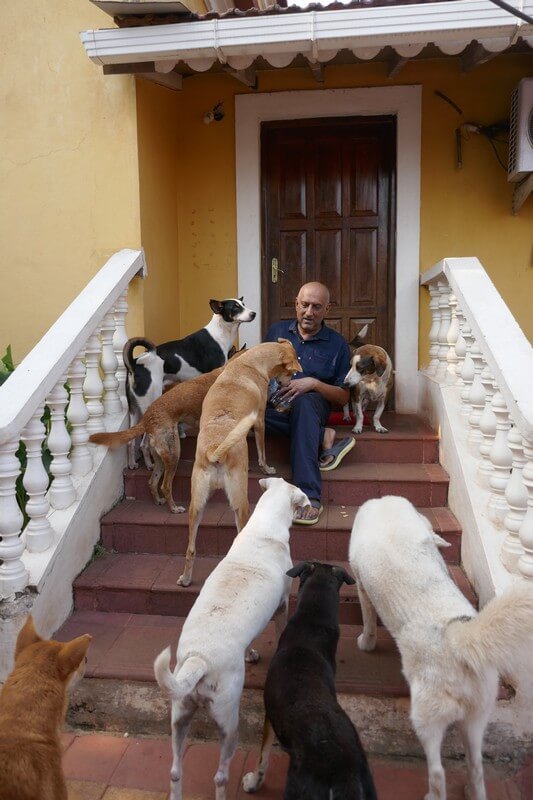
What is the most important job that you do at WAG?
When I asked Atul about the organization’s main activity, his answer was clear: sterilization.
People report dogs in need of treatment to WAG. The team goes to the location, catches the dog, brings it in for treatment and sterilization, and once the animal has recovered, returns it to exactly the same place where it was found.
Male bulls are also sterilized as part of the organization’s work.
The idea behind this approach is simple: the best way to address the large number of stray animals is to prevent more puppies from being born, while at the same time taking care of the health of the animals already living on the streets.
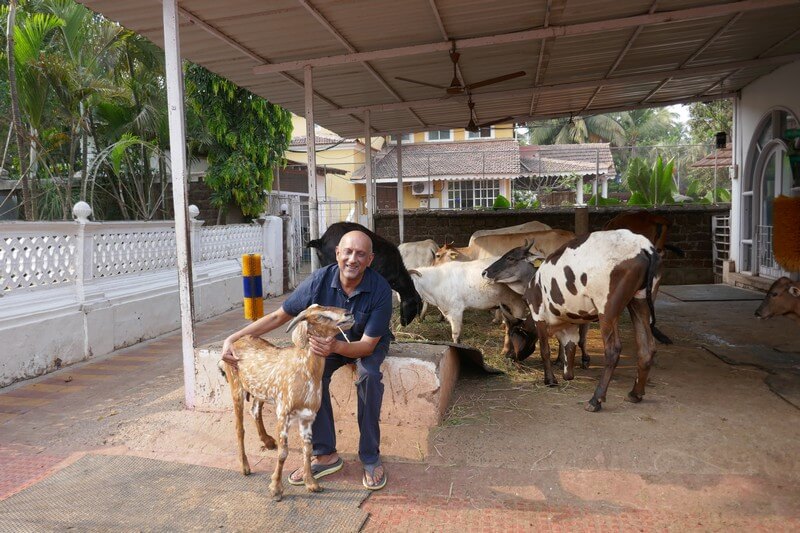
During approximately 20 years of activity, WAG has sterilized around 30,000 dogs and treated more than 5,000 cows and bulls.
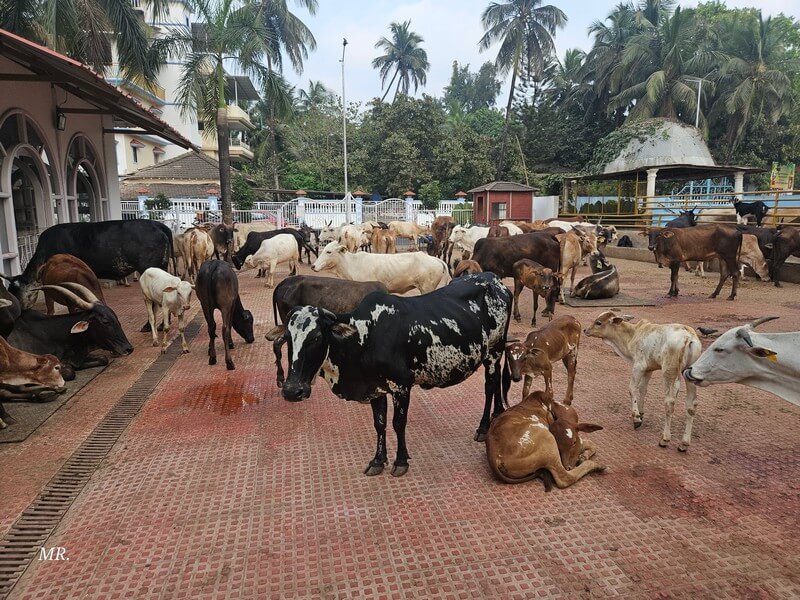
What happens to the animals that people bring to the shelter?
Atul answers: Many of the animals that come to the shelter are not meant to stay there permanently. They arrive after accidents, particularly road accidents, receive treatment at the clinic, and whenever possible, are returned to their surroundings.
Others remain at the shelter because they are unable to return to life on the streets.
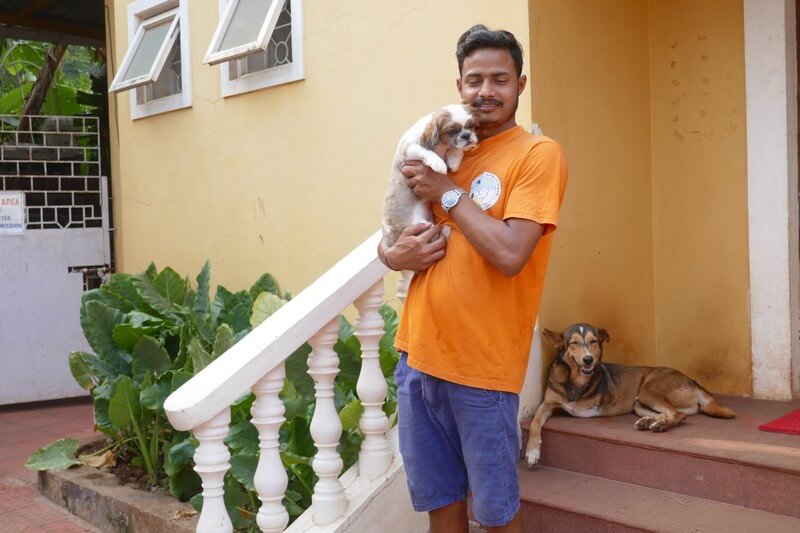
The WAG team includes a veterinarian, two veterinary assistants, and 14 full-time staff members.
In addition to the permanent team, volunteers also come to help – some regularly, others for shorter periods, and even for just a single day.
We need help at the beaches too
One of WAG’s special projects focuses on animals living on Goa’s beaches.
The project includes vaccinations, feeding, and helping puppies find adoptive homes, for both dogs and cows.
Life on the beaches is not easy for animals. They do not always have access to suitable food or medical care, and the situation becomes particularly difficult when the tourist season ends and most visitors leave.
“When the tourists leave, we stay here,” Atul explains. It is precisely when the beaches become quieter and emptier that the animals need someone to look after them.
What about the government? Does it support the activity?
WAG is an independent nonprofit organization. It receives some support from the government, but most of its work relies on help from the public.
This is exactly why volunteers, donations, and, above all, public awareness are such an important part of the organization’s work.
How can I, as a tourist, help animals in India?
Even if you don’t volunteer, there are quite a few things travelers can do to help.
- Look out for dogs that have not been sterilized.
Dogs that have been sterilized are usually identified by a small notch or cut in their ear. If you see a dog in Goa without this mark, you can give it something tasty to encourage it to stay nearby and contact WAG. The team can then come and take care of it. - Don’t pose with wild animals, incourige or support this industry.
Behind an “exotic” photograph with a wild animal there is probably a cruel industry involving capture and trafficking. Wild animals belong in nature, not in the tourism industry. - Drive carefully
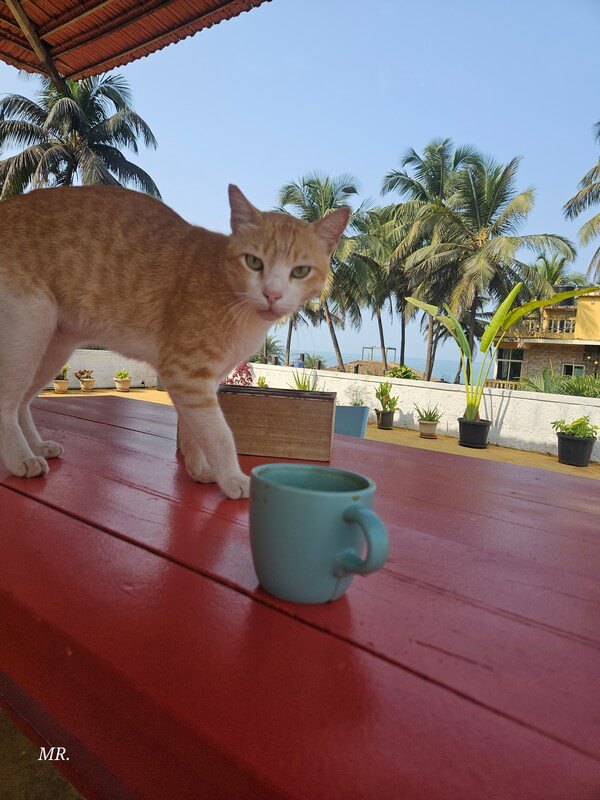
The roads are also used by animals. Dogs, cows, and cats may rest on the roadside or even lie on the road itself, and they can sometimes cross unexpectedly. - And above all – spread the word
The more travelers understand the reality and know how to behave responsibly, the greater the potential for change.
Can a tourist volunteer in Goa?
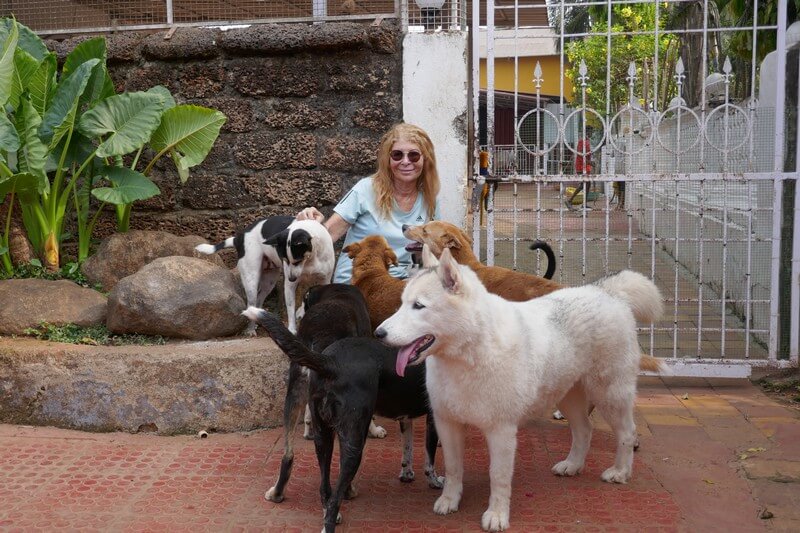
One of the things I particularly liked about WAG’s approach is that you don’t need to be a veterinarian or an experienced animal welfare activist to volunteer and help.
If you are traveling in Goa and would like to include a meaningful experience in your trip, you can visit the shelter in Siolim (North Goa beach), help care for the animals, feed them, play with them, and simply give them some attention and affection.
Those with a medical or veterinary background can, of course, also assist with medical care.
You don’t have to commit to a long volunteering period. You can come for whatever length of time suits you, volunteer for a single day, or become a regular volunteer.
Even if you don’t have the time to visit the shelter in person, you can still help – for example, by sharing the organization’s work on social media, such as Facebook and Instagram.
Want to Help?
If you are in Goa and would like to volunteer with animals, you can contact WAG to find out about current volunteering opportunities.
Welfare for Animals in Goa (WAG)
email: welfareforanimalsingoa@gmail.com
Phone/Whatsapp: +91 9322084984
Location: 1198 Mulga Vaddo, Siolim, Bardez
Please contact the organization in advance and arrange your visit and volunteering opportunity before arriving
Second Part: Interesting and off-the-beaten-track places to visit in Goa
The Amazing Memory of Animals
One of the things that impressed me most during my conversation with Atul was hearing about the ability of animals to remember people who have helped them.
He told me about Angel, a water buffalo who was seriously injured in a road accident about ten years ago.
Angel was brought to WAG after the accident and received treatment at the clinic. At the time, there was a volunteer who helped care for her and give her the medication she needed.
Eventually, the volunteer left Goa.
Eight years later, he returned to visit the shelter. When Angel saw him, she recognized him immediately and ran toward him.
This was not the only such story.
Atul told me that for a period of time he used to feed dogs on Morjim Beach. Later, the responsibility was taken over by staff members and other volunteers. It was only three years later that he returned to the same beach.
One of the older dogs who was still living there recognized him immediately and happily ran over to greet him.
Perhaps it is these small stories that remind us that animals are not simply “street animals.” They remember, recognize, and form bonds with people who give them care and affection.