
Sri Lanka – Your Next Travel Destination: Surfing, Nature, Culture & Attractions
In the recent years, Sri Lanka has earned a place of honor on the map of one the most exciting destinations in Southeast Asia – and not without a reason.
This tropical island offers travelers a unique combination of wild nature, rich culture, and stunning beaches. Its diverse travel experience is accessible and suitable for all types of travelers, from backpackers to families and couples.
Part A – Introduction to Sri Lanka
Weather and Seasons
As an island, Sri Lanka has a significant advantage: at almost any time of the year, there is always at least one region that is ideal for traveling.
Unlike many tropical destinations that have clear “dry” and “wet” seasons, Sri Lanka’s weather varies across different parts of the island. Therefore, it is recommended to plan your itinerary according to the time of your visit.
It’s important to note that even during the dry seasons, short local showers may occur, but they are usually brief and do not disrupt travel plans.
When Is the Best Time to Visit Sri Lanka?
December – March:
This is the most pleasant period in most parts of the island, especially along the west and south coasts (Colombo, Galle, Yalla), as well as in the hill country (Kandy, Sigiriya, Nuwara Eliya).
April – September:
The perfect time to visit the east coast, including Trincomalee and Arugam Bay, which enjoy a dry and calm season.
November – February:
These months are influenced by the wet northeast monsoon, mainly affecting the north and east of the island. At the same time, the south and west enjoy dry, warm, and comfortable weather.
The complete and ultimate guide for independent travelers in Sri Lanka:
Part A – Sri Lanka: General Introduction and Best time to Visit
Part B – Nature and Wildlife, Best National Parks of Sri Lanka
Part C – The Southern Coast of Sri Lanka, the Island’s Main Tourist Hub
Part D – Major Towns in Sri Lanka that worth a visit
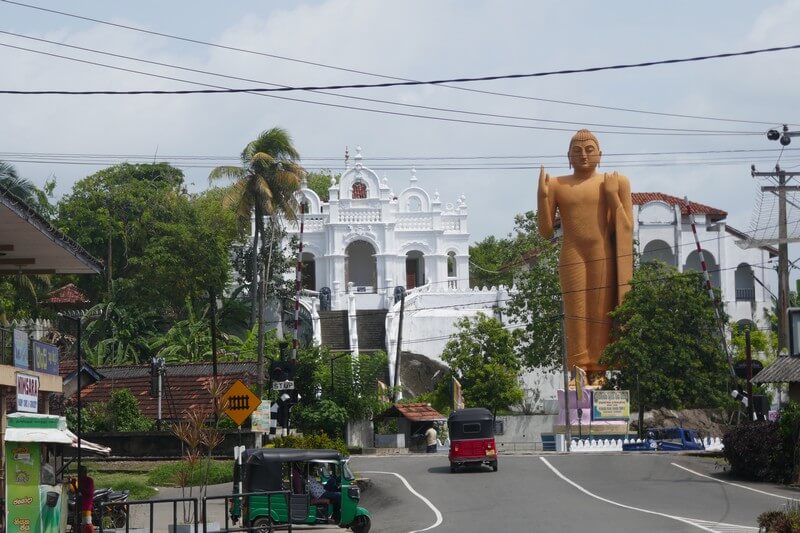
Travel Style – Why Visit Sri Lanka?
Sri Lanka is a paradise for surfers from all over the world. It offers long sandy beaches, warm waters, and quality waves suitable for everyone. From beginners to professionals. Surfing is possible year-round; all you need to do is choose the right beach according to the season.
Not Just for Surfers: More Reasons to Visit Sri Lanka
Even if surfing isn’t your thing, the island offers a wealth of unique experiences.
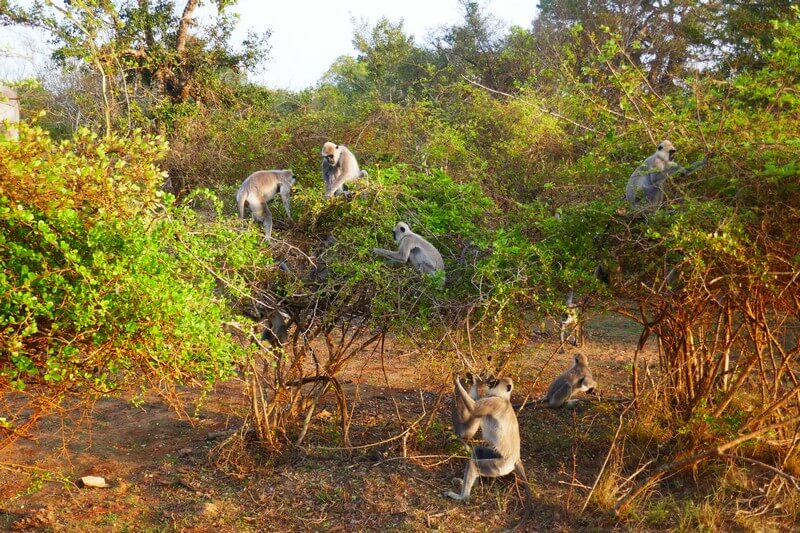
Its breathtaking wild nature, found in national parks and nature reserves, allows for close encounters with elephants, leopards, monkeys, dozens of bird species, and many other fascinating animals, all roaming freely in their natural habitat.
Hiking and trekking enthusiasts will discover powerful waterfalls, blue lakes, forest trails, and lush green peaks with stunning panoramic views.
On the cultural and historical side, ancient temples, fortresses, museums, colonial buildings, green tea plantations, and remnants from ancient civilizations await for you as a rich reminder of the island’s dramatic and fascinating past.
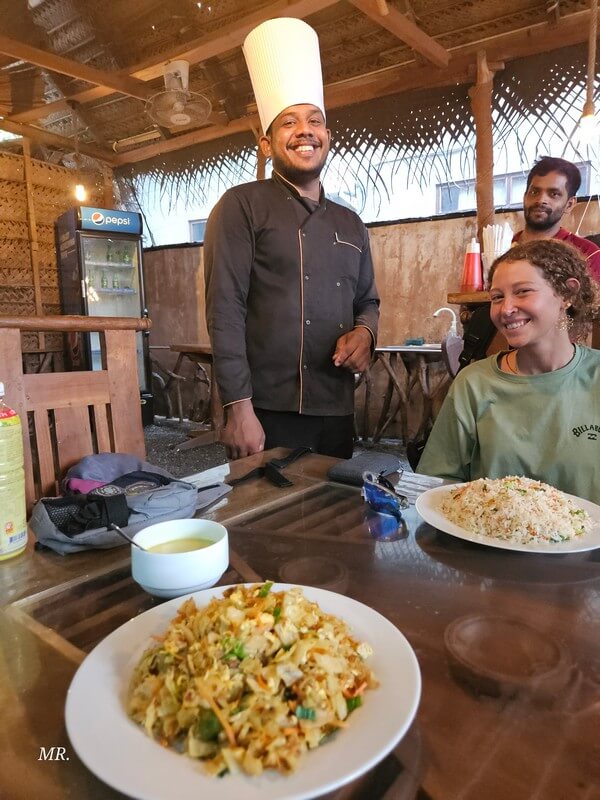
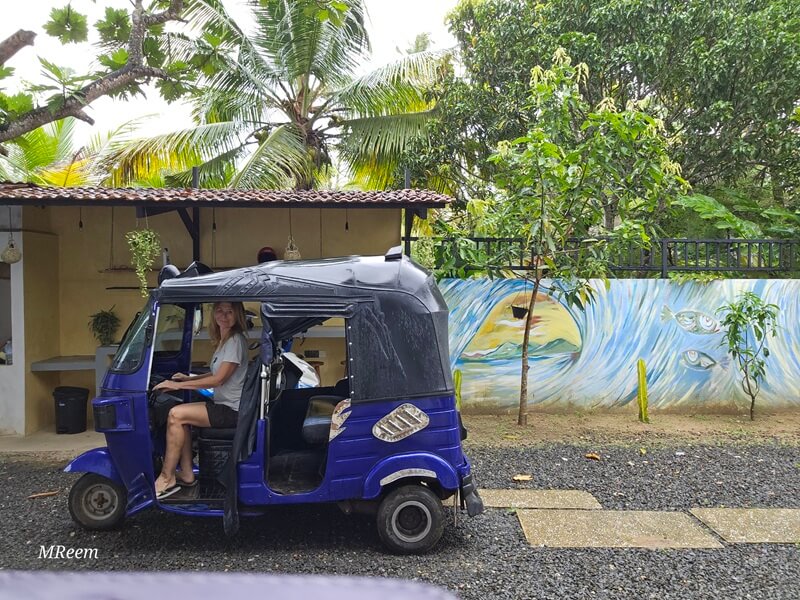
Thanks to its incredible diversity of nature, culture, beaches, outstanding food, and warm, welcoming people – Sri Lanka truly offers something for everyone: solo travelers, families, couples, and groups alike.
Part B - Nature and Wildlife
Best National Parks of Sri Lanka
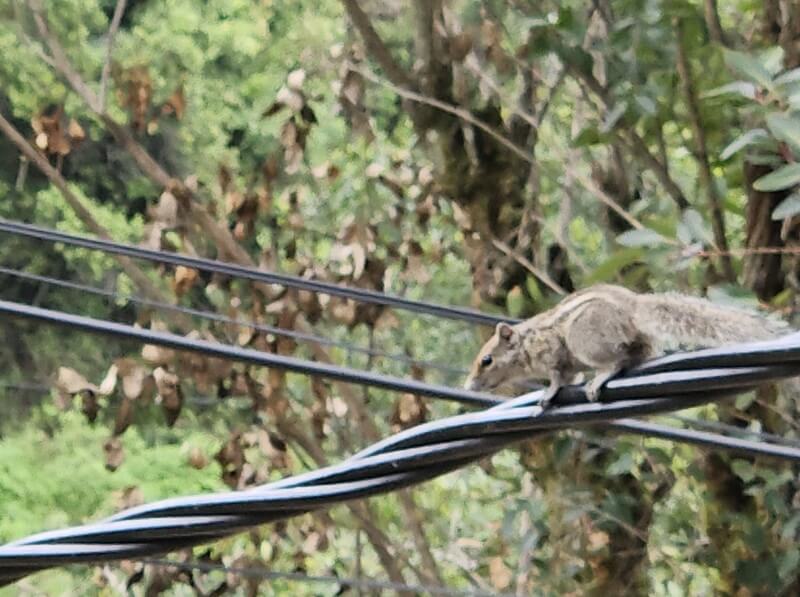
In Sri Lanka, nature is truly everywhere, even within the towns themselves.
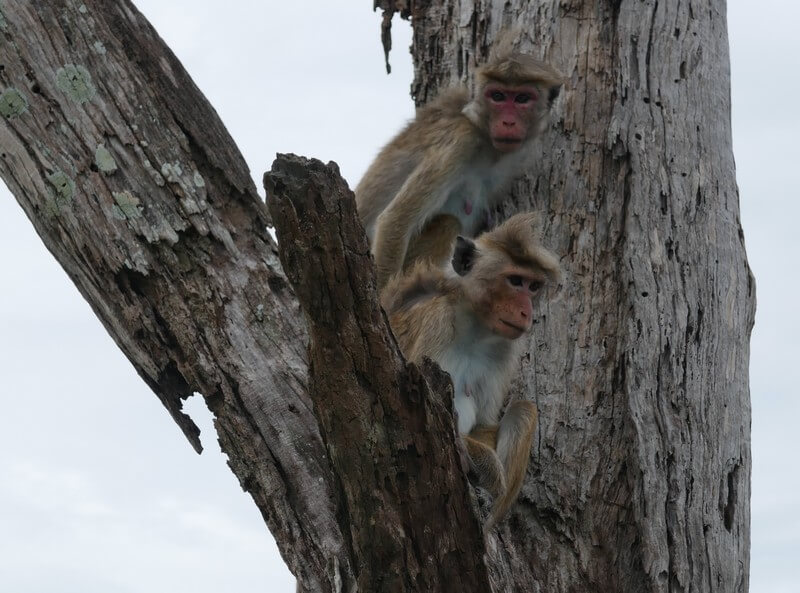
It’s not uncommon to encounter monkeys, mongooses, or squirrels wandering through hotel gardens or private yards.
Still, the island’s spectacular national parks are not to be missed, offering a rare glimpse into Sri Lanka’s untamed wildlife.
Top National Parks and Nature Reserves in Sri Lanka
Yala National Park
This is Sri Lanka’s flagship nature reserve and one of the most unforgettable experiences on the island.
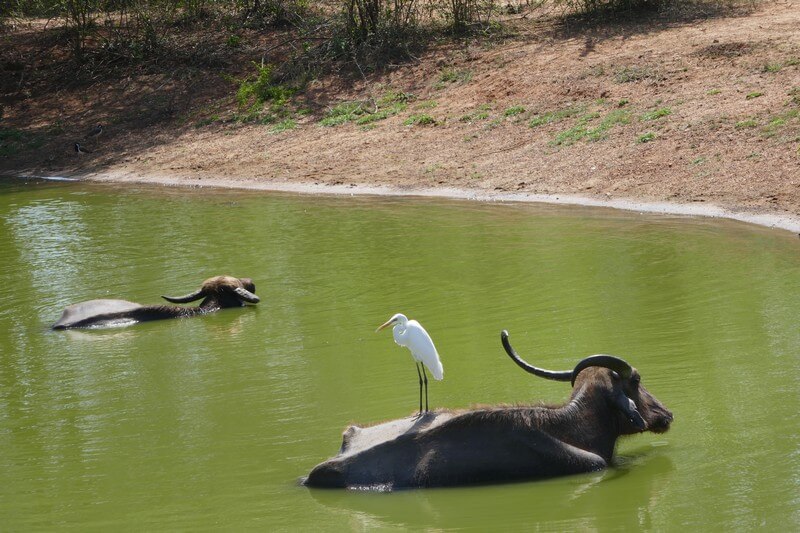
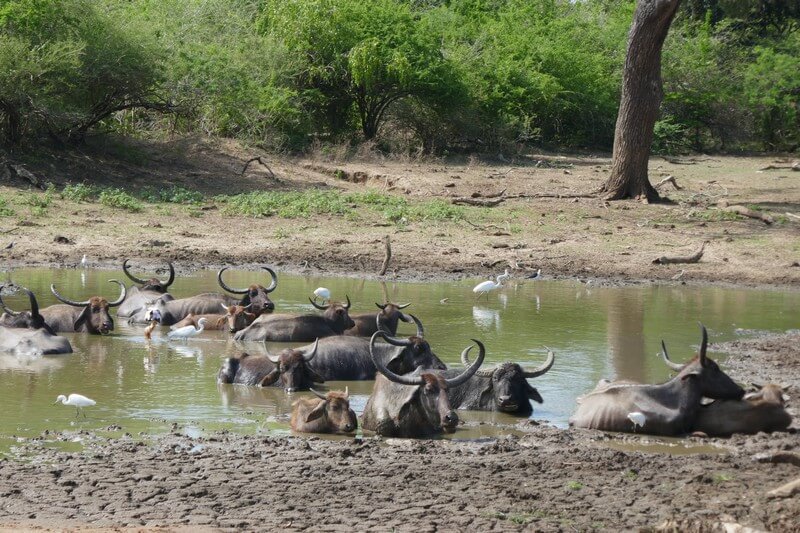
A safari in Yala offers close encounters with the kings of the jungle -the leopards, alongside with elephants, water buffalo, crocodiles, deer, sloth bears, and hundreds of bird species.
Yala has the highest leopard density in Sri Lanka, significantly increasing the chances of spotting them, especially on safaris that start early in the morning.
We booked our safari through Exclusive Yala Safari, and had an excellent experience. Our driver picked us up directly from the hotel, knew the area extremely well, and seemed to know exactly where to go in order to spot wildlife in real time and reach some of the park’s most special and less-crowded spots.
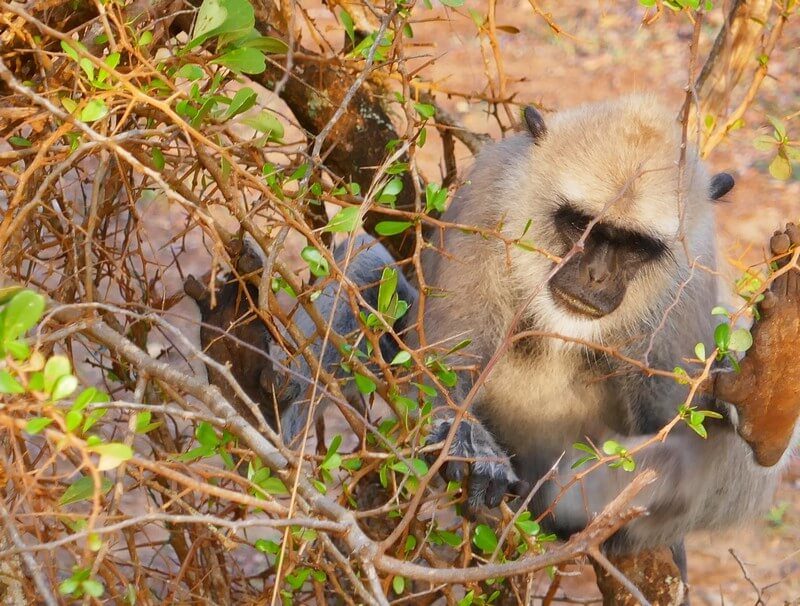
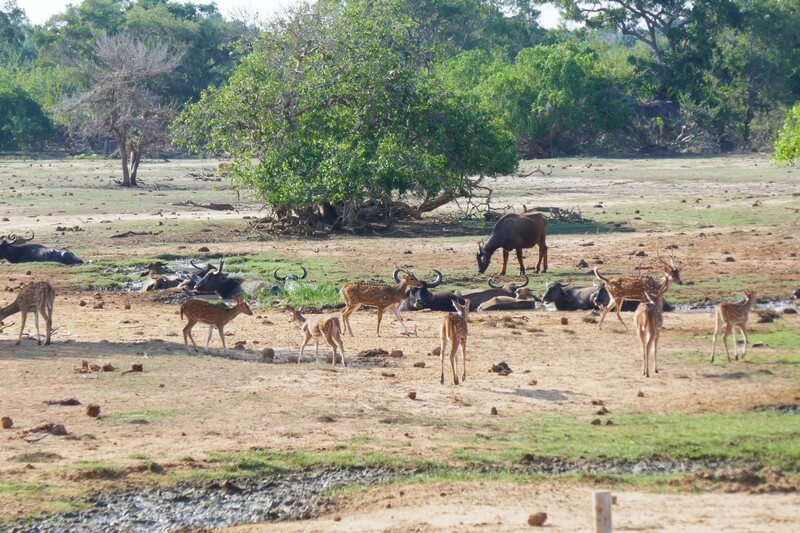
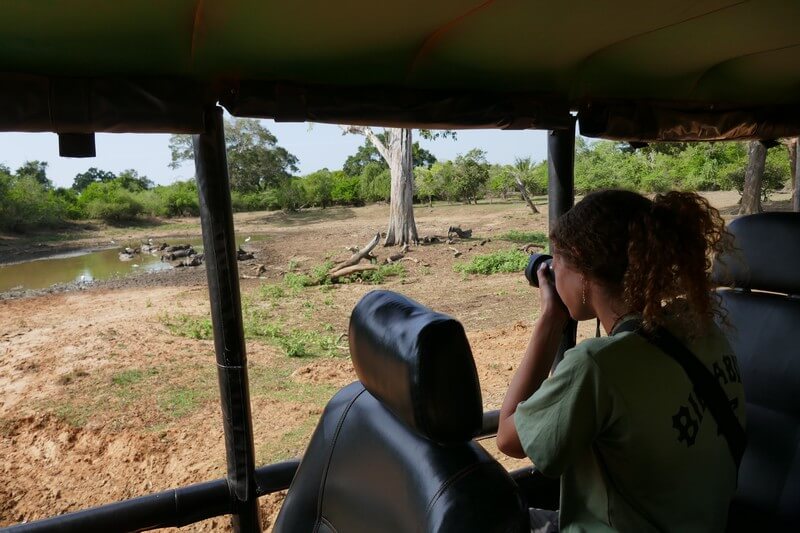
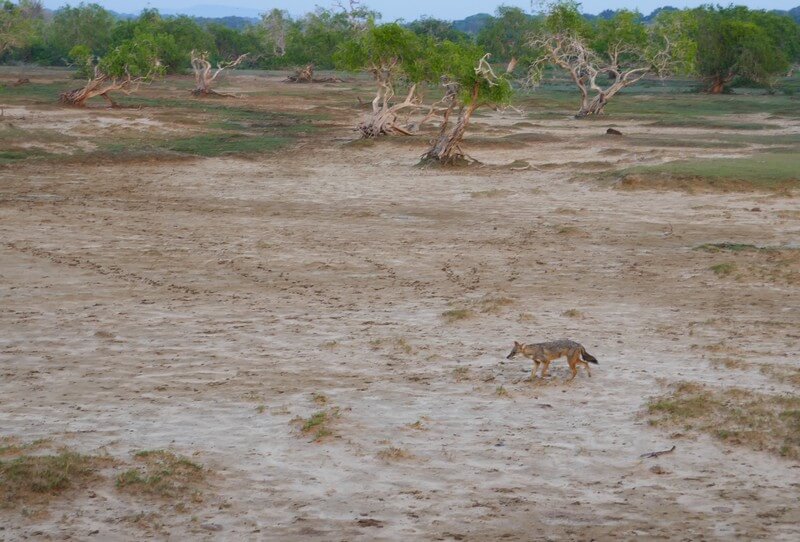
In Yala, you’ll find a fascinating blend of wild nature, beaches, and open savannah landscapes where wildlife roams freely. Yala is known as one of the best destinations in the world for leopard spotting, but it offers much more: elephants, sloth bears, jackals, crocodiles, water birds, and rare bird species.
The safari journey moves between tranquil lakes and ancient rocky hills, with every stop revealing a new story of the wild. The dramatic scenery, rich biodiversity, and the chance to observe animals in their natural habitat combine to create an especially powerful and unforgettable experience.
Out of the Box – Bonus Tip
Since safari tours usually depart around sunrise, it’s highly recommended to stay in the towns near the park entrance.
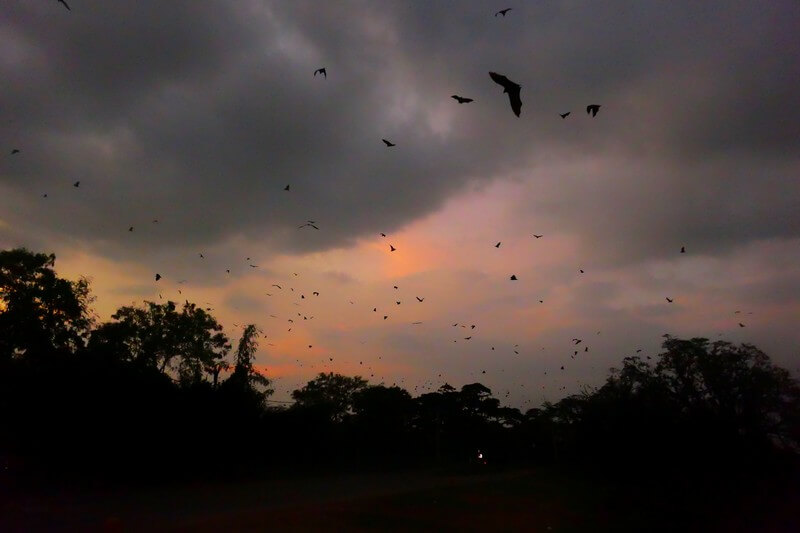
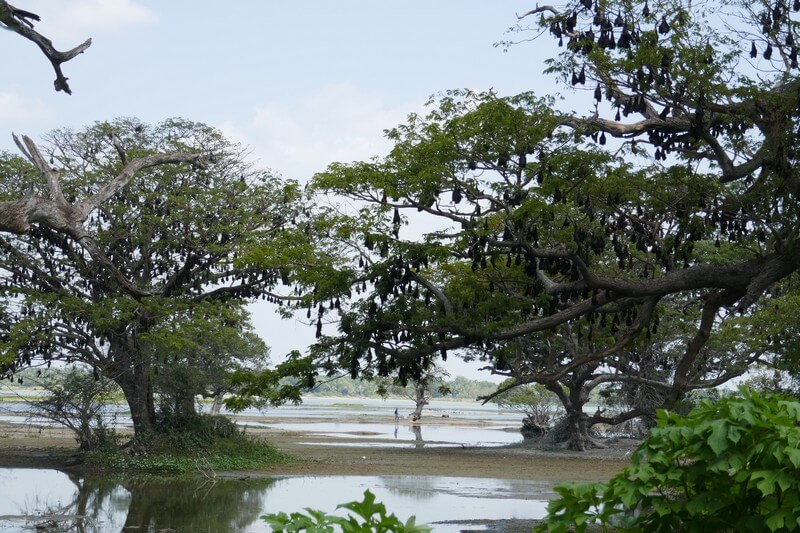
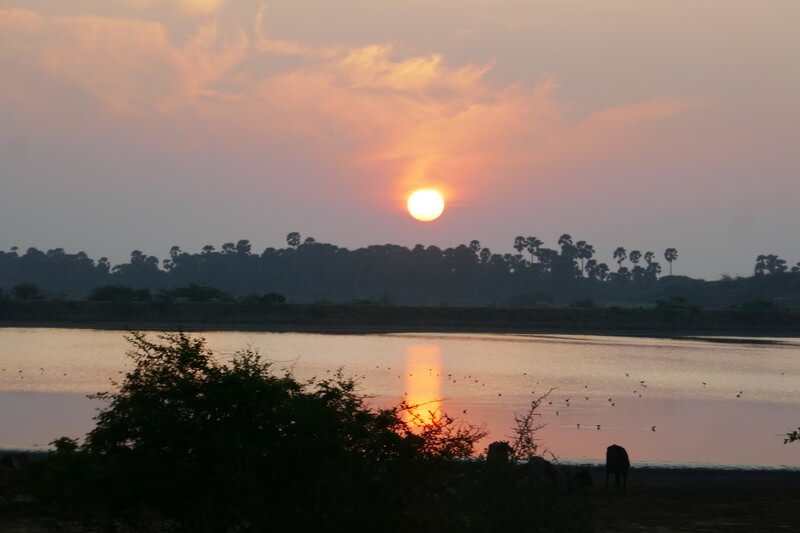
If you choose to stay in Tissamaharama, near the lake, you’ll be treated to a truly spectacular sight: thousands of fruit bats (flying foxes) resting in the trees around Yoda Lake.
Arrive at the lake’s edge at sunrise or sunset, and you can watch them taking off or returning to the trees in massive waves – an unforgettable natural spectacle.
Udawalawa National Park
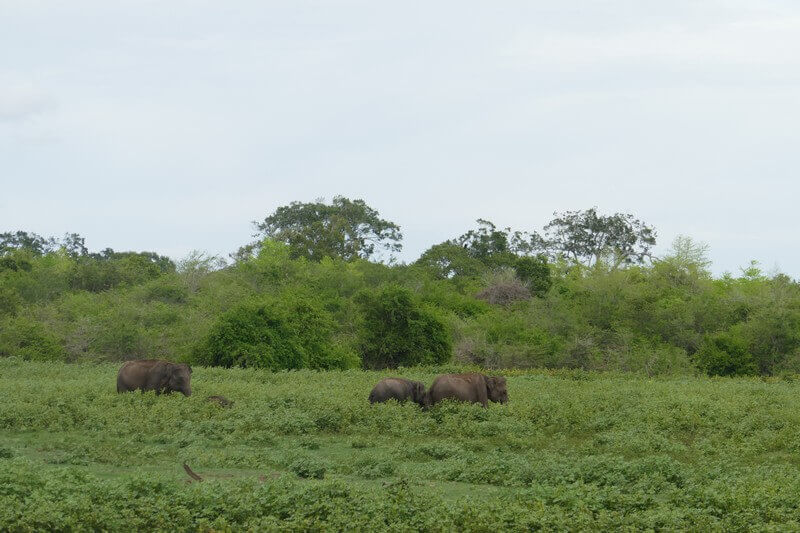
The Udawalawa national park, which is located in southeastern Sri Lanka, is famous for its large herds of Asian elephants that walk freely across open grasslands, low forests, and water reservoirs.
It is one of the best places to see elephants up close throughout the year, sometimes just meters away from the safari vehicle. In addition, the reserve attracts a wide variety of wildlife, including jackals, deer, monkeys, wild boar, and hundreds of bird species.
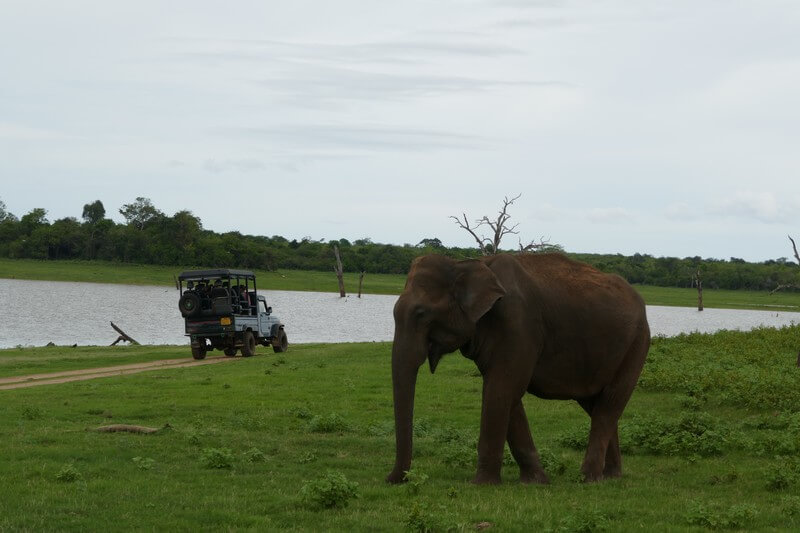
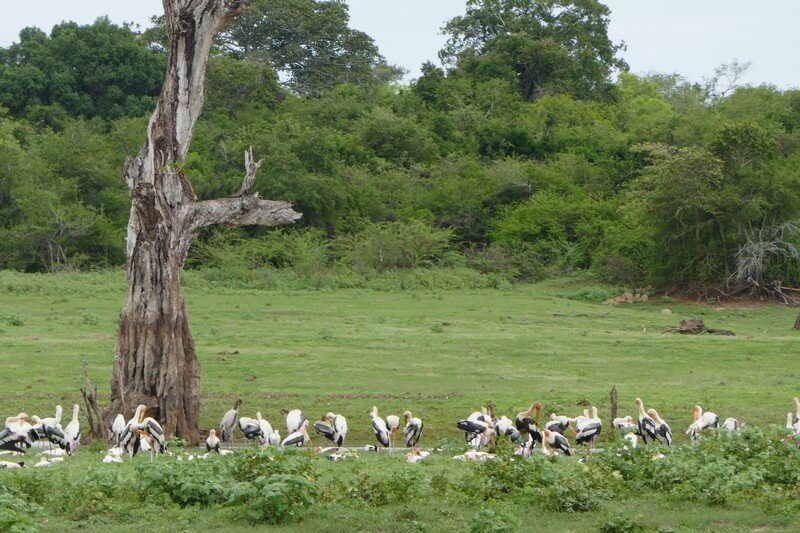
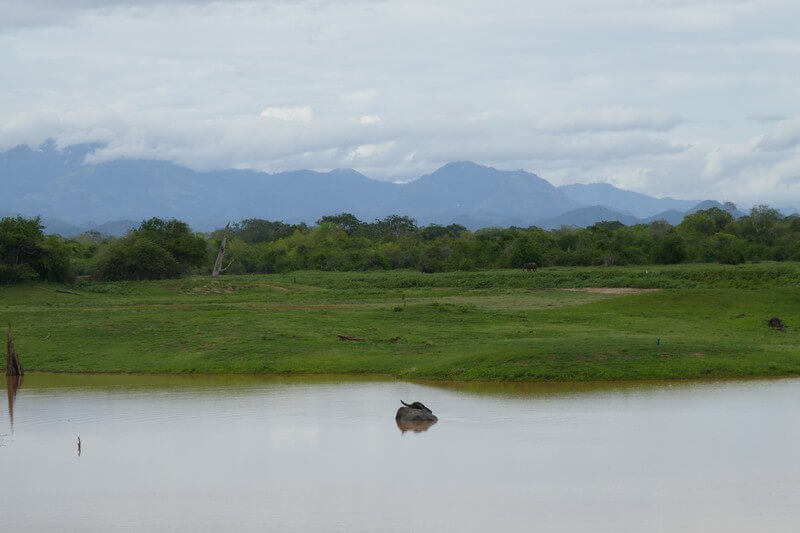
The large lake at the center of the reserve is a magnet for many animals that come to drink.
In Udawalawa, like in the Yala park, the safari is conducted with guided jeep tours.
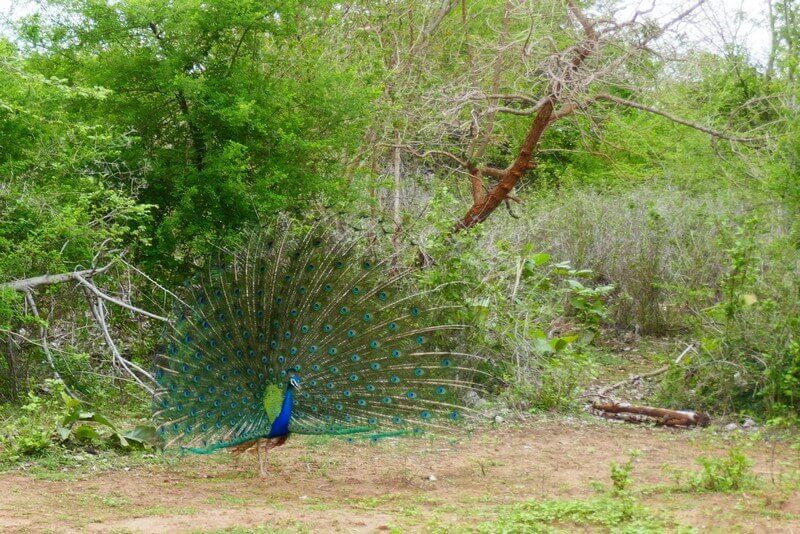
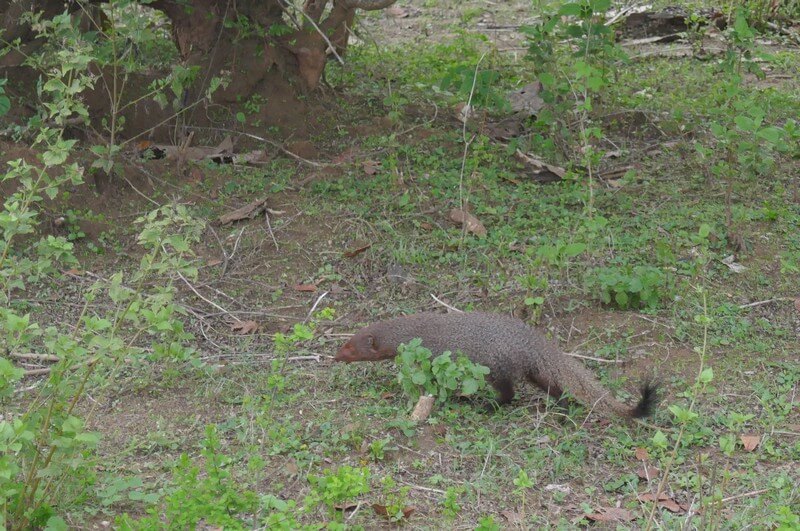
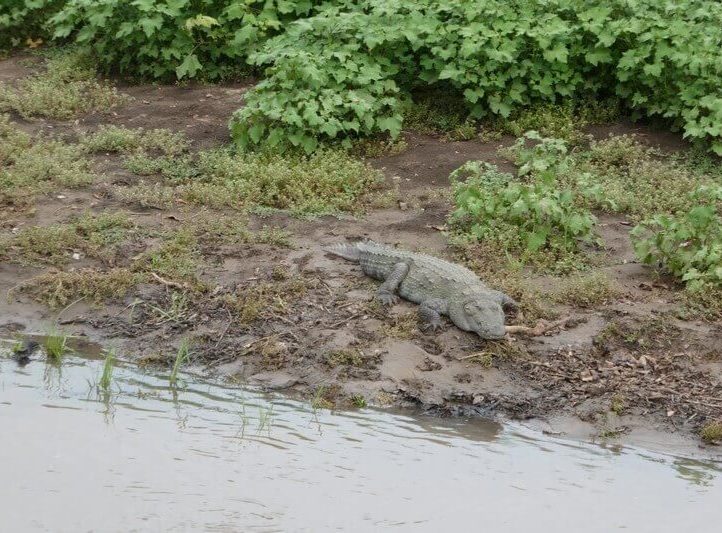
Besides elephants, we were lucky to spot peacocks, storks, deer, mongooses, crocodiles, and a wide variety of other wildlife.
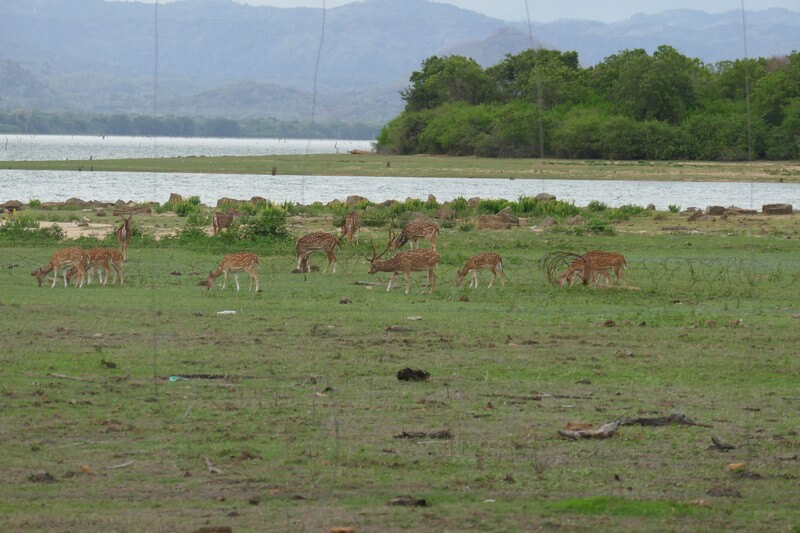
Next to the reserve is an elephant orphanage, where young elephants are cared for until they are ready to be reintroduced into the wild.
It’s a heartwarming place to visit and a great opportunity to learn about elephant conservation efforts.
Minneriya and Kaudulla National Parks
Minneriya and Kaudulla National Parks are located in north-central Sri Lanka. They are famous for one of the most impressive natural phenomena in the world: the seasonal gathering of elephants.
Between August and December, during the dry season, hundreds of elephants from the surrounding areas converge on the water reservoirs within the parks.
This is the largest gathering of Asian elephants anywhere in the world!
Besides elephants, the parks are also home to bears, leopards, deer, and a wide variety of birds and other wildlife.
Safaris to Kaudulla usually depart from the towns of Habarana and Dambulla, or directly from the park entrance. To see the elephants at their most active, we recommend to take the afternoon safari.
A common question asked: Yala or Udawalawa – what’s the difference and which one is the best?
First of all, both are amazing, diverse, and provide an excellent wildlife viewing experience, showcasing Sri Lanka’s rich fauna.
Yala National Park is ideal for those seeking a dramatic and action-packed safari, with a high chance of spotting leopards and enjoying varied landscapes. From savannahs to wild beaches.
Yala is larger, full of surprises, and sometimes busier with visitors.
In contrast, Udawalawa National Park offers a more relaxed and open experience, making it perfect for elephant lovers and families who want to see wildlife up close in a less crowded environment.
Both parks are spectacular, but choosing between them depends on the type of experience you’re looking for: a rich, varied safari in Yala, or an intimate, close-up encounter with elephants in Udawalawa.
If possible, the best choice is to visit both!
הפרויקט להצלת הטיגריס הבנגלי בהודו
Sri Lanka has made significant investments in wildlife conservation in recent years, with mixed results. More than 100 protected areas now cover nearly 19% of the country, but expanding agriculture and urban development continue to increase conflicts between people and wildlife.
Elephants in Sri Lanka
Conservation efforts include electric fences, wildlife corridors, and nationwide elephant population surveys. However, around 70% of Sri Lanka’s elephants live outside protected areas, leading to frequent conflict with farmers.
Every year, hundreds of elephants and dozens of people are killed. A growing concern is the number of elephants dying after consuming plastic waste from open dumps near their habitats.
Leopards Protection
Conservation measures include camera-trap monitoring, the removal of illegal snares, and stronger anti-poaching enforcement.
Leopard populations remain relatively stable in major national parks, but outside protected areas many continue to die after being caught in wire snares originally set for other animals.
Responsible and Eco-Friendly Tourism
Visitors can help protect Sri Lanka’s unique wildlife by making responsible choices throughout their trip.
Support Local Communities
- Choose responsible operators – Travel with local guides, drivers, and accommodation providers that support sustainable tourism and local communities.
- Stay at eco-lodges – Choose accommodation that conserves water and energy, manages waste responsibly, and employs local people.
Respect Wildlife
- Keep your distance – Never feed wild animals and always stay on designated roads and trails.
- Reduce your impact – Keep noise to a minimum, take your rubbish with you, and avoid single-use plastics.
Avoid Wildlife Exploitation
- Do not ride elephants, visit animal shows, or take photos with captive wildlife.
- Avoid buying souvenirs made from ivory, turtle shells, coral, seashells, or other protected wildlife products.
Your Complete and Ultimate guide for independent travelers in Sri Lanka:
Part A – Sri Lanka: General Introduction and Best time to Visit
Part B – Nature and Wildlife, Best National Parks of Sri Lanka
Part C – The Southern Coast of Sri Lanka, the Island’s Main Tourist Hub
Part D – Major Towns in Sri Lanka that worth a visit
