
Mount Olympus Nature Reserve, Northern Greece
General Background – The Significance of Mount Olympus. Where is Mount Olympus?
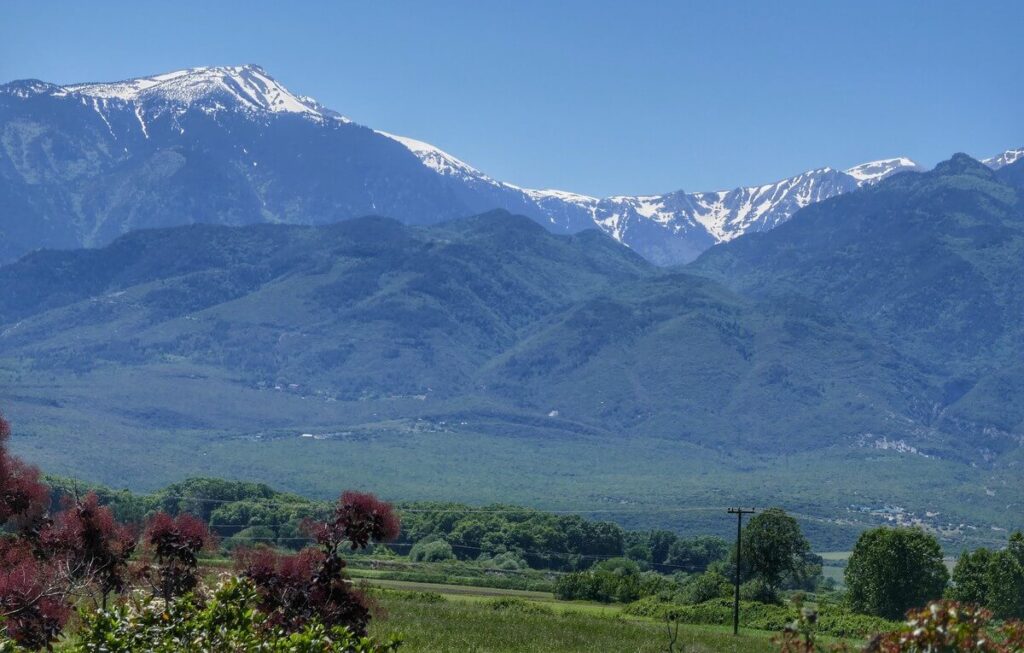
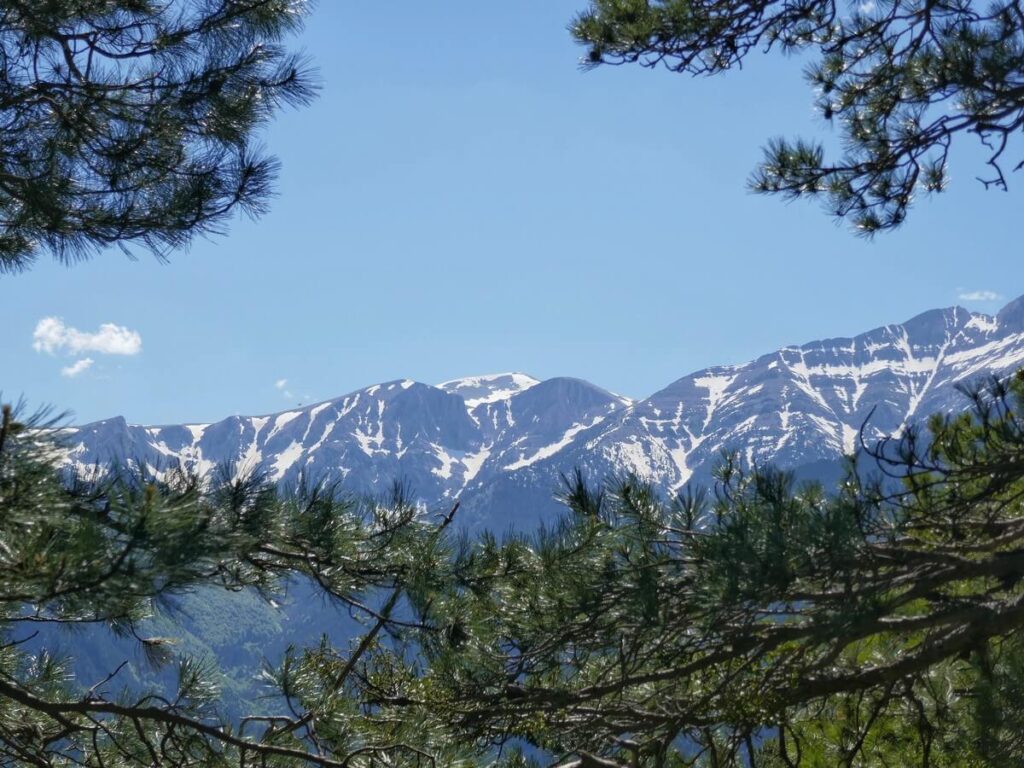
Mount Olympus is famous for being the highest mountain in Greece and the mythical home of the ancient Greek gods. It is part of the Olympus mountain range, which includes 52 peaks. The highest among them is Mytikas, reaching an elevation of 2,917 meters (9,570 feet).
How to Get to Mount Olympus?
The closest town to the summit and the most convenient starting point for hiking trails on the mountain is Litochoro, while the nearest city is Katerini.
The most convenient way to reach and get around Mount Olympus nature reserve and its surrounding areas is by car.
To reach Olympus by public transportation, take a bus from Thessaloniki (or Athens) to the central station in Katerini, and from there, take another bus to Litochoro.
The main base and accommodation point for most hikes and tours in the area is the picturesque town of Litochoro. Litochoro offers a variety of hotels and guesthouses, restaurants, and tavernas. Sit down at one and enjoy a delicious meal and Greek coffee with a breathtaking view.
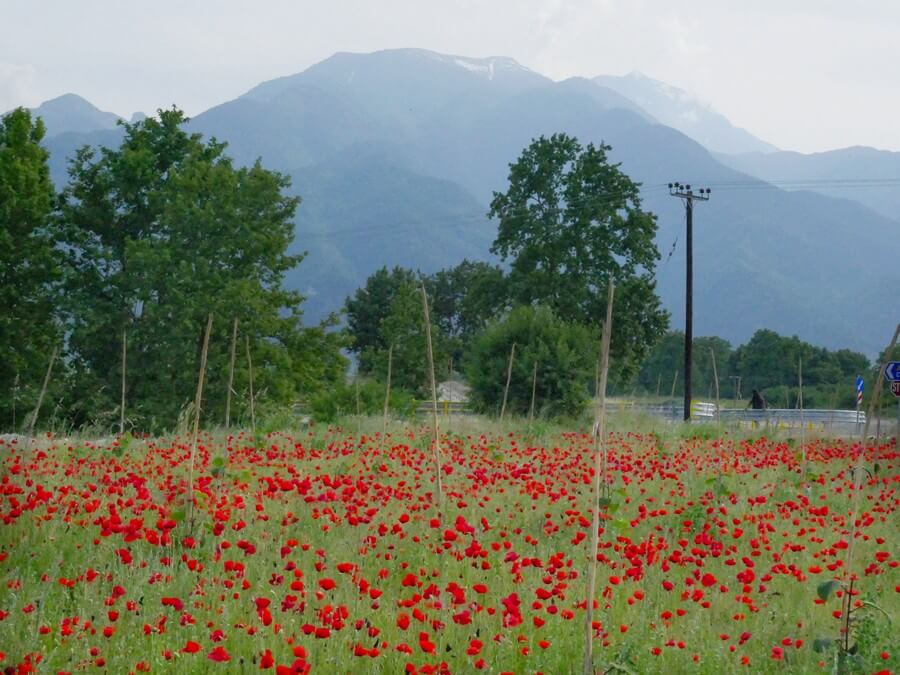
Important note from out_of_the_Box: In all of Greece, on both the mainland and the islands, there are several places named “Olympus.” Make sure you are referring to the correct one: the real Mount Olympus, the mythological home of the gods, located in northern Greece.
The highest and closest point to the summit that can be reached by car is Prionia, located about a 20 minute drive from Litochoro.
From Prionia, you can continue on marked trails toward Spilios Agapitos Refuge and other hiking routes.
General Information for Travelers and Hikers on Mount Olympus
Do not attempt to hike the mountain during rainy weather – even light rain can cause mudslides that make the trails impassable.
Always check weather conditions and trail conditions in advance, and consult with local authorities or professionals before any independent ascent.
The ascent to the summit of Mount Mytikas is recommended only for experienced mountain climbers with proper gear.
The climb typically takes about two days, and along the trail there are several mountain refuges. Make sure to verify in advance which refuges are open and their exact locations.
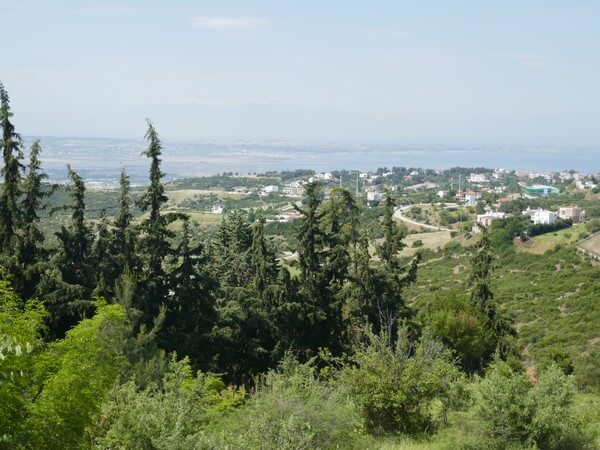
Mount Olympus offers a wide variety of hiking trails that pass through forests, lush vegetation, and waterfalls. The trails vary in difficulty, allowing visitors to choose routes that suit any level of experience and the desired length of the hike.
The 12 Olympian Gods and Their Roles in Greek Mythology
Here is a list of the gods who used to live on Mount Olympus, just in case you happen to encounter one of them on your hike:
- Zeus – King of the gods and ruler of Olympus. His domain: the sky, thunder, storms, justice, and order.
- Poseidon – God of the sea, and everything related to it: storms, hurricanes, earthquakes, and horses.
- Hera – Zeus’s wife and sister, goddess of marriage and family. Known for her jealousy and vengeance toward Zeus’s lovers and offspring.
- Demeter – Goddess of agriculture, crops, and the seasons.
- Athena – Zeus’s daughter, goddess of wisdom, crafts, and skilled trades.
- Apollo – Zeus’s son, god of the sun, prophecy, and philosophy.
- Artemis – Apollo’s twin sister, goddess of hunting, wild nature, the moon, weapons, disease, and healing.
- Ares – Son of Zeus and Hera, god of war, violence, and general trouble.
- Aphrodite – Goddess of love, creativity, passion, and beauty. She was either Zeus’s daughter or born from sea foam.
- Hephaestus – God of fire, volcanoes, craftsmanship, and master blacksmith of the gods.
- Hermes – Another son of Zeus, god of travelers, trade, diplomacy, thieves, and games; also the messenger of the gods.
- Hestia – Eldest sister among the first generation of Olympian gods, goddess of hearth, fire, and domestic peace.
- Dionysus – God of wine, vines, good life, madness, and rebirth; patron of the arts and theater.
Wait, that’s 13 gods?
You’re right, it’s not a mistake. The 12th seat on Olympus was sometimes held by Hestia, and at other times by Dionysus. It’s believed that Hestia may have voluntarily given up her seat in favor of Dionysus
The dynasty of the Olympian gods according to Greek mythology
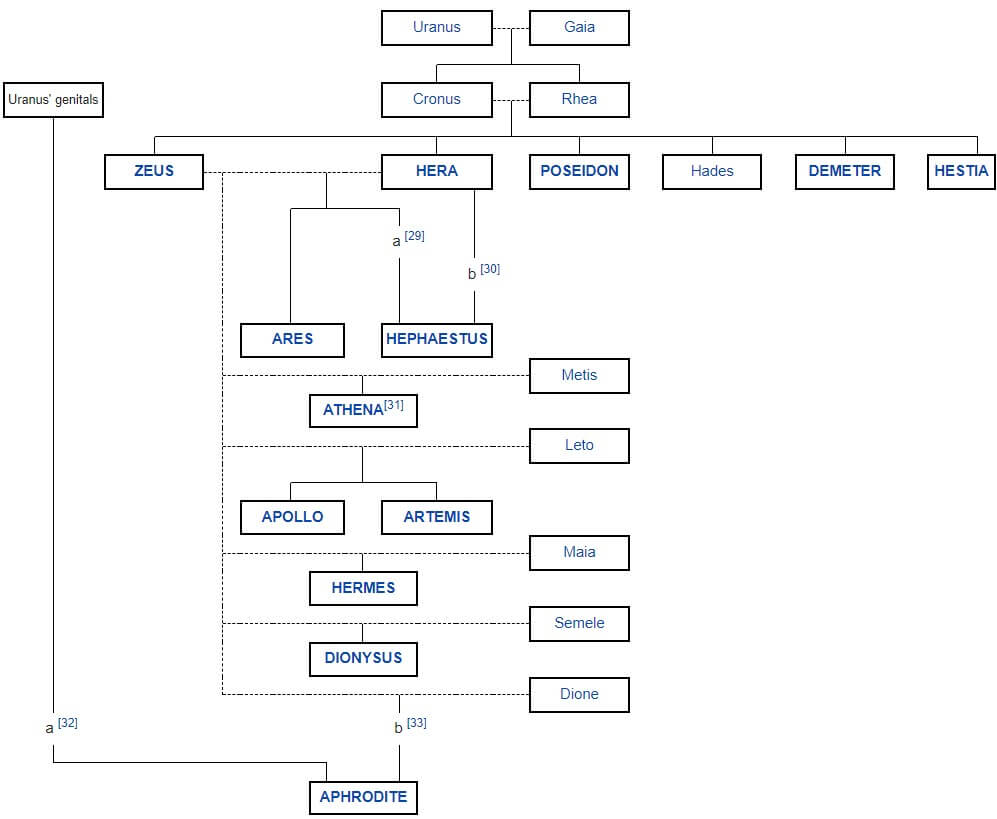
Who are the parents of the Olympian gods?
Gaia is the ancient mother of all living creatures. She is both the mother and wife of Uranus (the sky). Together they gave birth to the 12 Titans, the giants, and the Cyclopes.
Rhea and Cronus are Titans who married each other and were the parents of many of the gods.
Another important god is Hades – ruler of the underworld, which lies beyond the river Styx, believed to flow beneath the earth’s surface. Because of this, Hades did not reside on Mount Olympus.
