Places to Visit in Central Israel: Sea, Carmel, and Everything In Between
A day trip in central Israel, traveling from Hadera to the Carmel area, perfect for any weather. For photographers, this route offers especially photogenic spots, guaranteeing impressive and unique shots.
Of course, you can choose parts of the trip or add places to suit your taste. While flower-viewing hikes are the winning choice in winter, during the hot summer days we usually look for refreshing spots along the way. Here are some recommendations for beautiful trips.
Hadera Stream Park
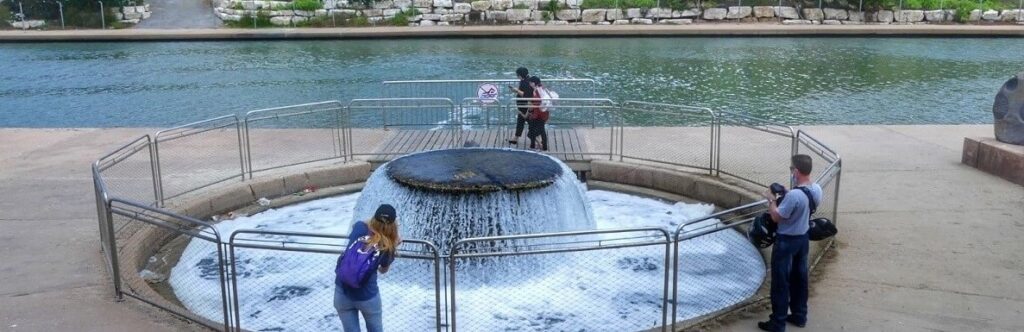
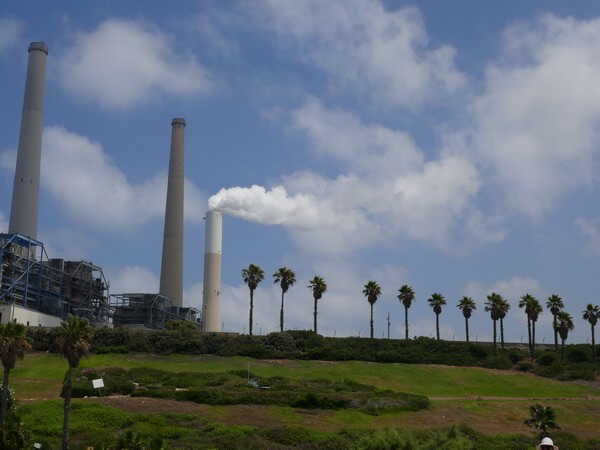
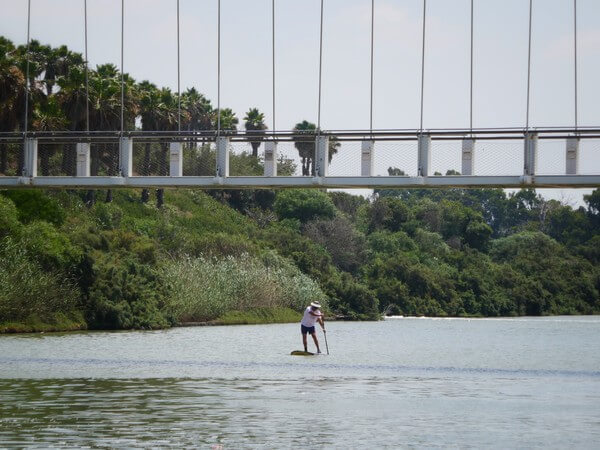
Hadera Stream Park is located where the stream meets the Mediterranean Sea. On one side is the “Orot Rabin” power station, on the other a well-maintained park with sandy dunes, and in between flows the stream, crossed by a white suspension bridge.
How was the park established?
Hadera Stream drains the northwest of the Samaria region and is 47 km long. The park was created through an initiative and partnership between the Jewish National Fund and the Electric Company. When the power station was built in 1982, it was decided to discharge seawater, pumped for cooling the station, into the polluted Hadera Stream.
At the same time, a dam was built near Highway 2, diverting the polluted water from the upper part of the stream into a pipe crossing the stream. This resulted in a picturesque and clean 1.25 km section of flowing stream.
What can you do or see at Hadera Stream Park?
One of the closest spots for outings in central Israel, the trail circles both banks of the stream, passing through lawns, eucalyptus groves, sculptures, a circular fountain, waterfalls, and seating areas.
The promenade connects with the Israel National Trail, allowing you to continue all the way to the pier and then extend your walk along the beach.
Since the beginning of winter, when the water discharged from the power plant is warmer than the sea water, the marina becomes an attraction for sharks that come here, which in turn become an attraction for visitors.
On some days, you can even see them from the shore. Occasionally, an information station operates at the site.
During the migration season, around November to March, flocks of cormorants arrive here from the Black Sea region.
At the river parking lot, you can see the monument of Avshalom Feinberg, a NILI underground resistance activist.
To the east of Highway 2 lies the historic Hafetziba Farm, which operated between 1906 and 1929. The restored farm is currently owned by the Electric Company.
The farm houses the company’s national training center, a museum, and an open park.
Jisr az-Zarqa – The Bridge Over the Blue
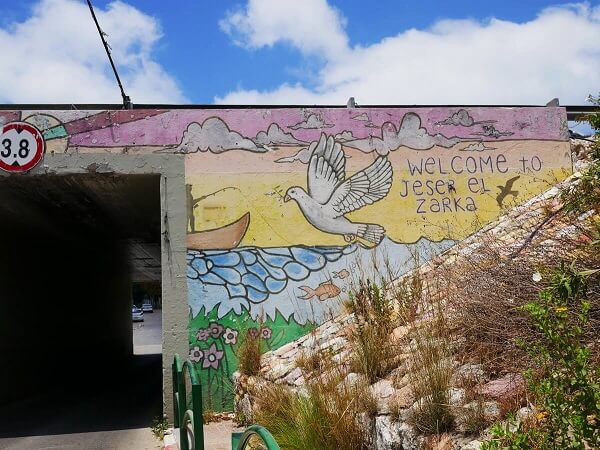
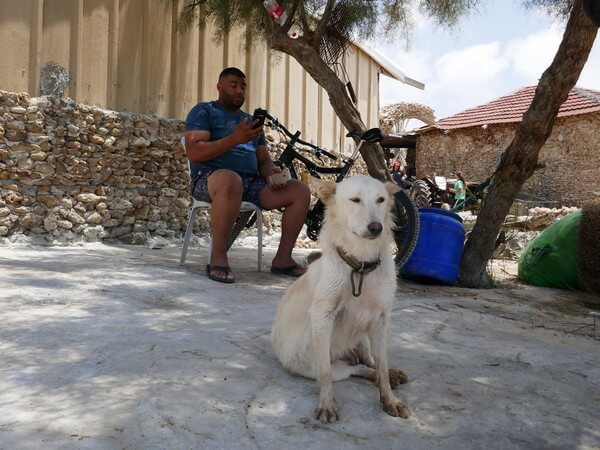
A fishing village that’s absolutely worth a visit. Both for its sea and beach, and for the rare authenticity of the village itself.
To reach the village, exit at the Caesarea Interchange onto Route 4 heading north, and follow the signs.
A Brief History of the Village
- Already 500 years ago, a group known as the Jamusin (buffalo herders) lived around the Kabara Swamp.
- The villagers assisted the residents of Zikhron Ya’akov in draining the swamps and eradicating malaria. As a result, in 1924 they were granted alternative land along with compensation.
- In 1926, the new village was established, and each family received about 30 dunams of land.
- During the Independence war, the village remained unharmed thanks to its good relations with neighboring Jewish communities and their collaboration in swamp drainage efforts.
- In 2017, an Israel Police station was established in Jisr az-Zarqa.
- In 2020, the stone bridge over the Taninim Creek (Alligators river, in Hebrew) estuary was restored in place of the original bridge that was built at the end of the 19th century in honor of the German Emperor Wilhelm II’s visit to the Holy Land.
What Can You Do in Jisr az-Zarqa?
The village, which for years suffered from a low socio-economic status and a negative image, is gradually transforming into a unique tourist gem, close to the center of the country and well worth a visit.
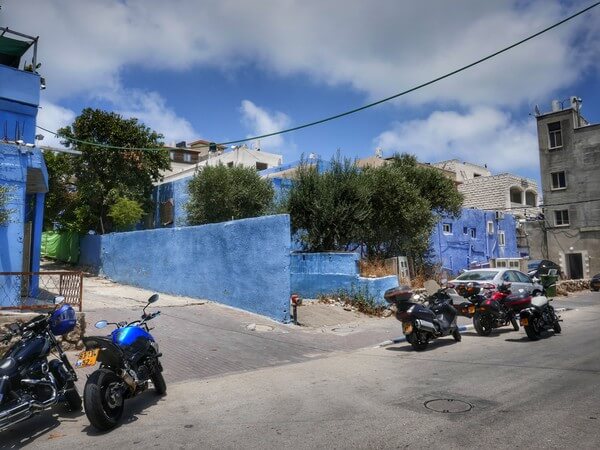
The Blue Houses Project – A few years ago, houses painted in striking blue began appearing along the road parallel to the coastal highway. This was the result of an initiative by architect Anat Cohen Halevy, Nirlat Paints, and the Ministry of Tourism, aimed at raising awareness and attracting visitors to the town.
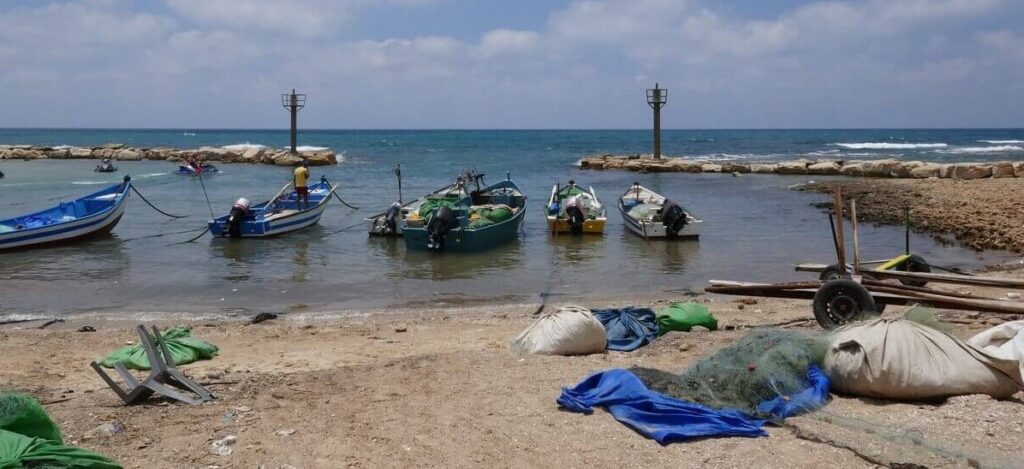
The Fishing Harbor – Sit by the shore and feel like you’re in Greece. Walk along the Taninim Stream until you reach the fishermen unloading their nets, the small boat harbor, authentic restaurants, and the golden sand.
Jisr az-Zarqa National Park Beach – An ancient archaeological site and a beachfront area that includes the fishing port. You can reach it either through the village or on foot from the “Aqueduct Beach” in Caesarea. This trail is part of the Israel National Trail.
Also in the Village – The “Juha” Guesthouse organize guided tours in and around the village, and locals who offer hospitality in their homes.
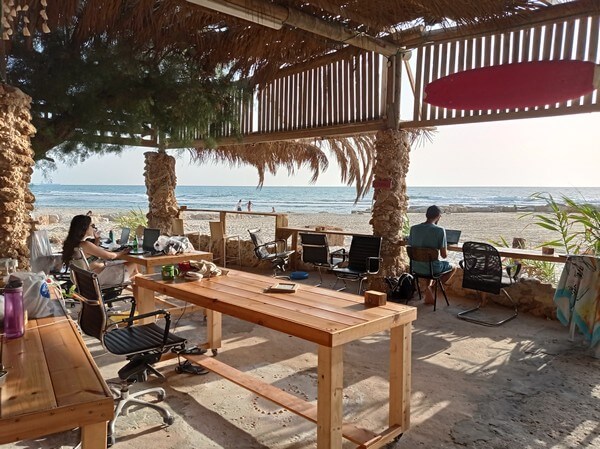
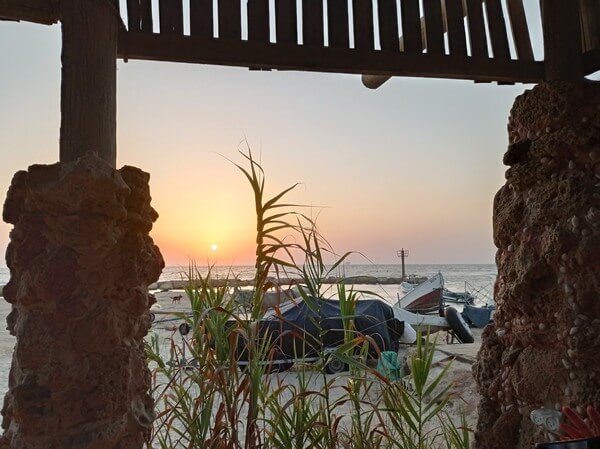
The Digital Nomads Hub – At the southern end of the beach, you’ll find Beachub, home to digital nomads. It’s a professional open air workspace with a vibe that blends startup culture and the laid back feel of Sinai.
Explore More: Places, Tour Ideas and Destinations
Hefer Valley
Top of Mount Carmel – Ein Hod & Ein Hawd – A Hidden Gem Above the View
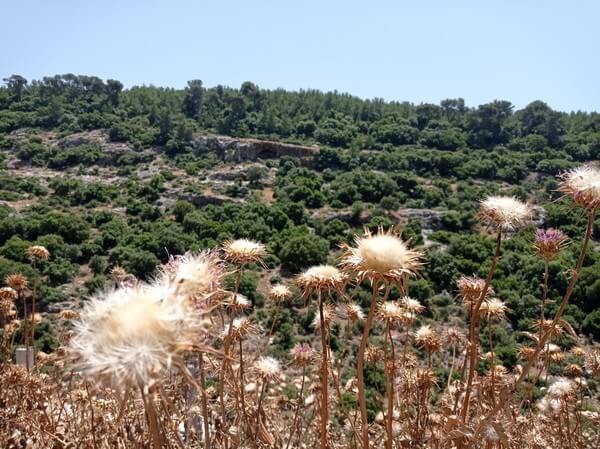
If you’re in the mood for a short detour that feels like a trip abroad, head up to Ein Hawd (not Ein Hod – keep driving up the road… all the way to the top of the Carmel Mountain).
This unique village offers breathtaking views and an authentic atmosphere. At the edge of the scenic overlook, you’ll also find restaurants serving delicious Arab–Lebanese cuisine. Perfect for a cultural and culinary stop with a view
Daliyat al-Karmel Is Much More Than Just a Market
Daliyat al-Karmel is one of the most popular spots for a Saturday trip, especially thanks to its colorful and vibrant market.
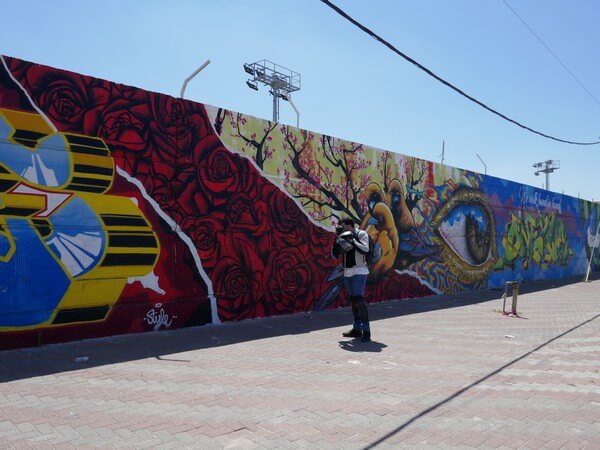
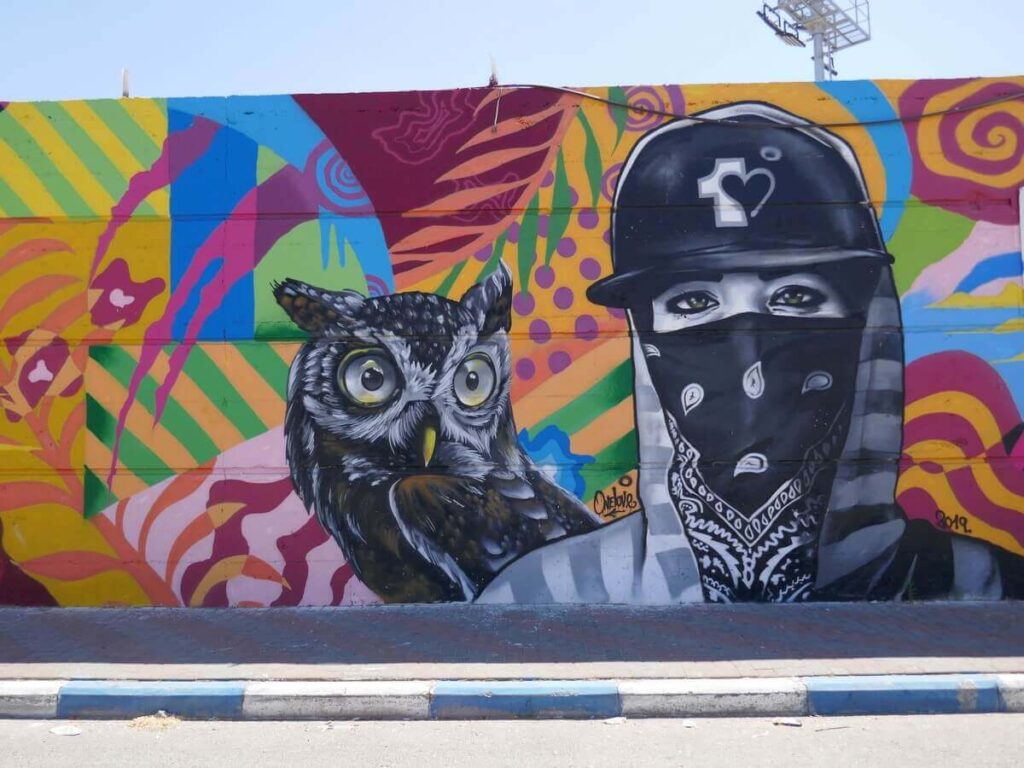
But before you reach the market, make a stop to admire and snap photos at the largest graffiti wall in Israel, and probably in all the middle east, a stunning work by artist Dudi Shoval – a real out of the box spot!
The graffiti stretches over half a kilometer and covers the wall of the town’s municipal stadium.