
Koalas and Me – My Volunteering in Australia
About My Experience at the Koala Conservation Hospital in Port Macquarie
The first time I heard about the Koala Hospital and rehabilitation center was during the devastating bushfires that swept through Australia in 2020. In February of that year, a fundraising event was held to support the koalas, and ever since, I occasionally received email updates about the hospital.
Last year, as I began planning my big trip to Australia, I knew I wanted to include something meaningful – something beyond the usual tourist attractions. I reached out to the hospital and was accepted for a work experience placement.
For me, working and helping Koalas at the rescue center was both the fulfillment of a dream and the closing of a personal circle. It was also where I met some of the koalas whose stories I had followed back during the tragic events of 2020.
The Koalas Are Unique and Fascinating Animals
Koalas may look calm and cuddly, but in reality, they’re not so easy to care for and can actually be quite “picky.”
Australia is home to over 800 species of eucalyptus trees (also known as gum trees), but koalas can digest the leaves of only about 50 – 60 of them.
In practice, however, each individual koala typically eats leaves from just 2 or 3 eucalyptus species. Only the ones it knows and is familiar with from its native area. This makes it challenging to relocate koalas, as their new habitat must contain exactly the types of trees they prefer.
Koalas will often starve rather than try leaves from unfamiliar trees, even if those leaves are nutritious and enjoyed by other koalas.
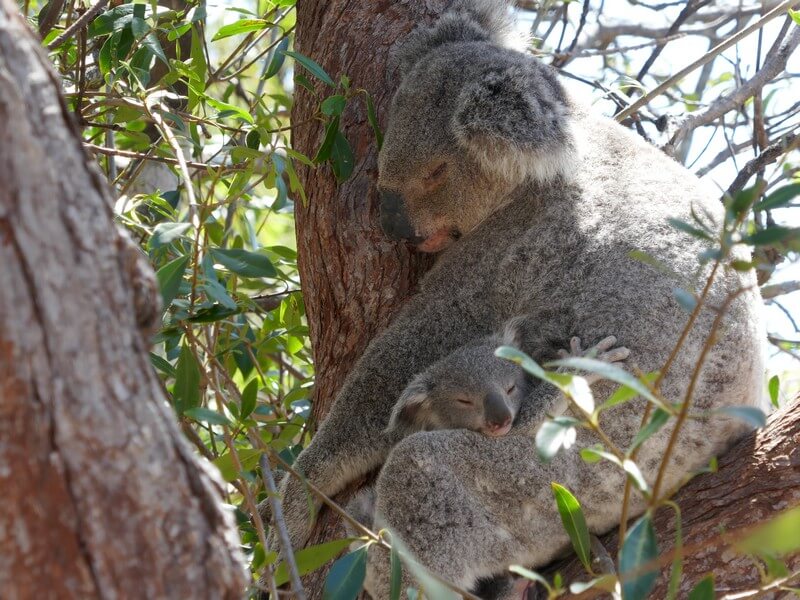
In addition to eucalyptus leaves, koalas occasionally chew on soil to supplement missing minerals. Due to the low nutritional value of eucalyptus leaves, they spend most of their time resting or sleeping. Sometimes up to 20 hours a day.
Except during extreme drought, koalas never drink water. At the hospital, each koala is given a bowl of soil and a bowl of water. If a koala approaches the water to drink, it’s usually a sign that its health needs to be checked.
Koalas are also highly territorial. You can’t keep more than one koala in the same enclosed space, or they’ll start to fight with one another.
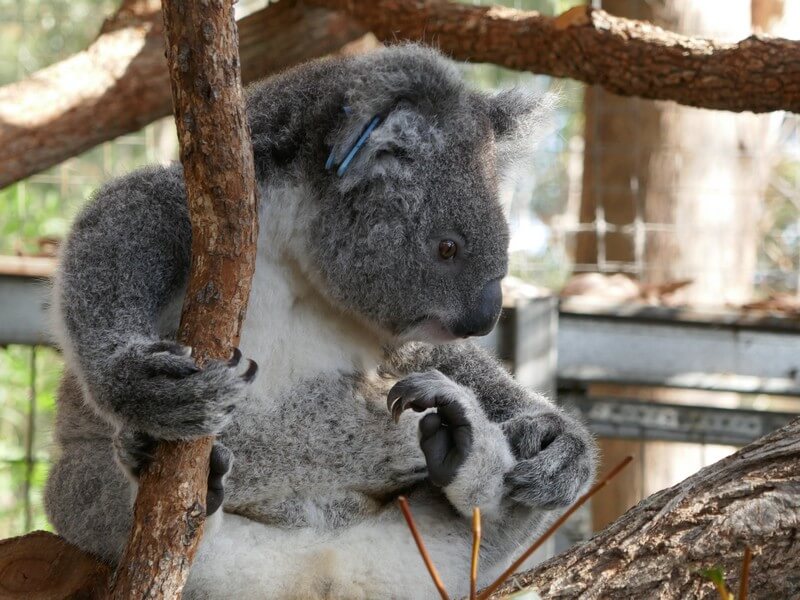
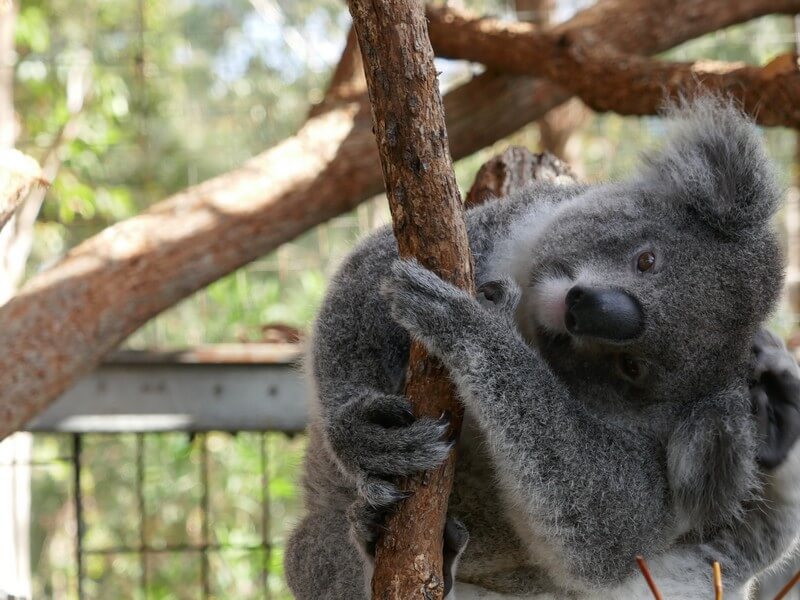
The word “koala” in the Aboriginal language means “does not drink.”
Most of the time, koalas appear sleepy and rather indifferent. But when you see how excited they get in the morning when fresh eucalyptus branches arrive – and how attentively they observe everything happening around them you realize it’s just an illusion.
They are at their most alert and active in the early morning hours, eagerly waiting for their fresh leaves, which they begin munching on right away.
Koalas have five fingers on their hands, including two opposable thumbs. On their feet, they have only four functional toes. Two of which are fused. Interestingly, both male and female koalas have bifurcated reproductive organs. Still, almost always, only one cub is born at a time.
The Koala Hospital and Its Volunteers
The koalas are housed across three main areas: Intensive Care, Rehabilitation, and Display. In addition, the hospital includes a treatment and surgery room, a visitor center, a gift shop, staff facilities, and offices.
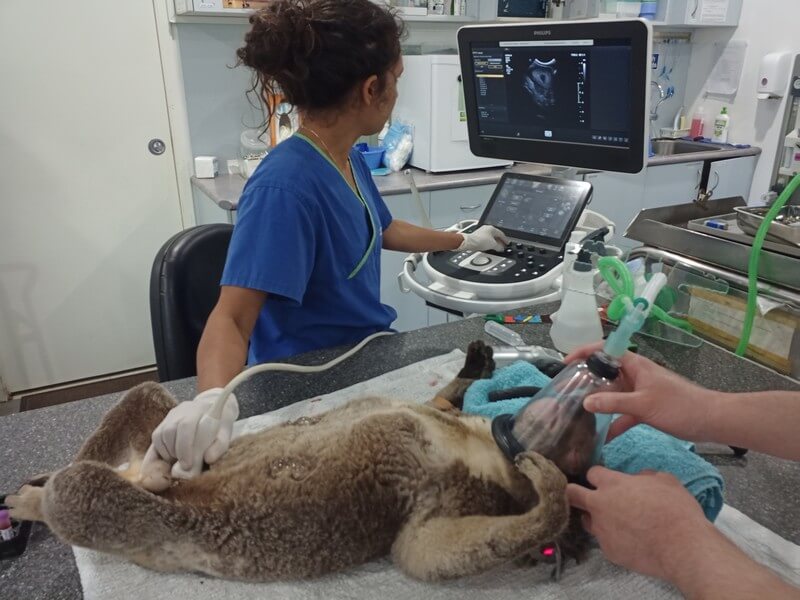
Every koala that arrives undergoes an initial examination and treatment before being placed in either intensive care or rehabilitation, depending on its condition.
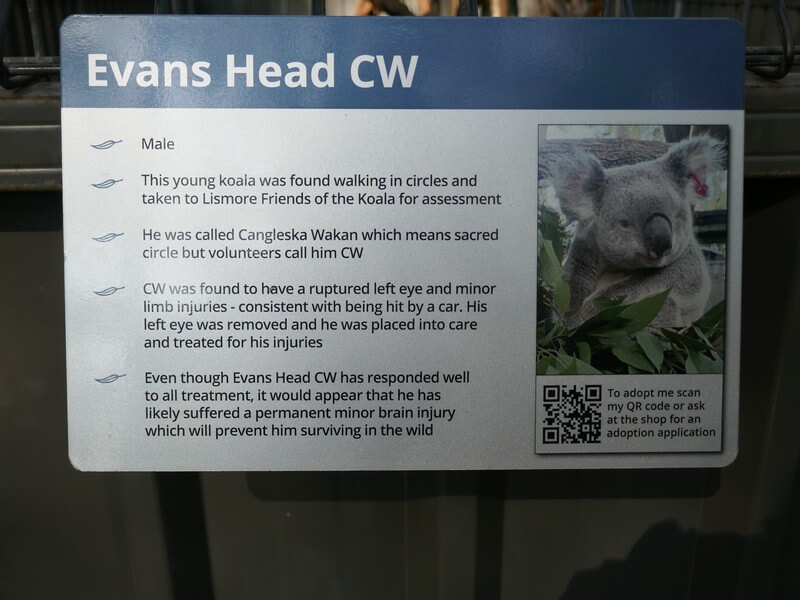
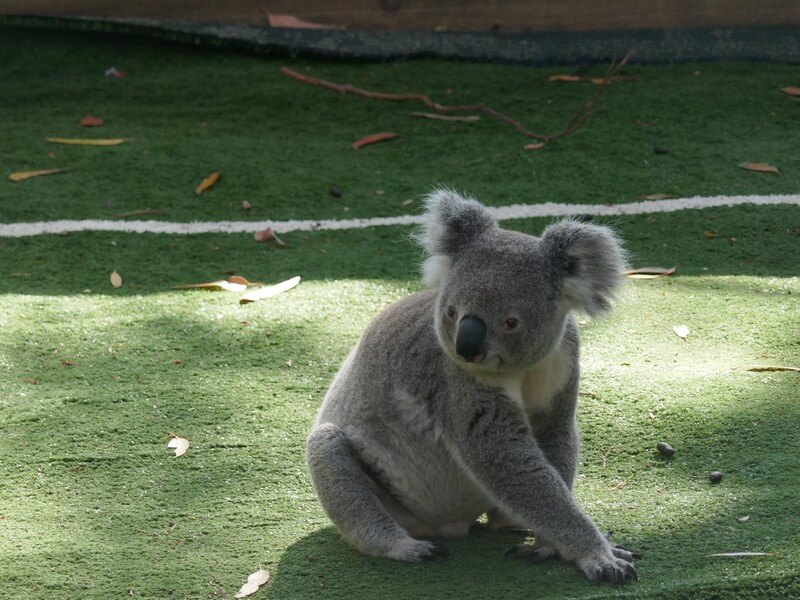
The ultimate goal is to return recovered koalas to the wild. However, in some cases due to neurological issues, blindness, limb dysfunction, or other permanent injuries release is not possible.
These koalas remain in the Display area and, in their own quiet way, help support the center financially by being part of the visitor experience.
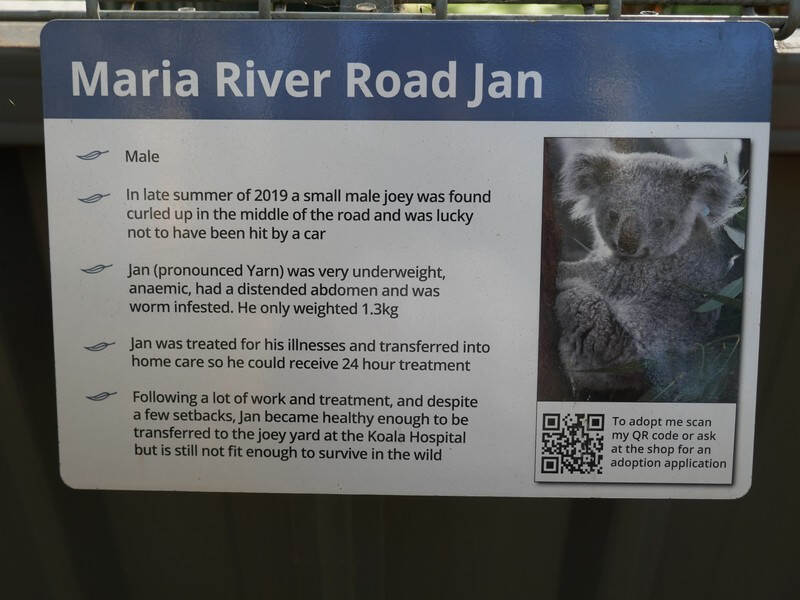
Many of the koalas in the Display section have been here since the devastating bushfires… and they continue to play a role in education and conservation.
How Many Koalas Are Left in Australia?
Since the arrival of European settlers, millions of koalas have been killed across Australia for their fur, leading to their classification as a vulnerable or endangered species in different regions either in 1999 or as late as 2022.
According to the Australian Koala Foundation (AKF), only 30,000 to 50,000 koalas remain in the wild. The Australian government, on the other hand, estimates the number at around 200,000. In 2010, the population was believed to be about 400,000 meaning that, in any case, the number of koalas has dropped dramatically in recent years.
What Are the Main Threats to Koalas in Australia?
In urban environments, koalas face serious risks from dog attacks and vehicle collisions. Much like wildlife in other parts of the world, they also suffer from habitat loss due to urban development and agriculture.
In the wild, koalas are vulnerable to infectious diseases, bushfires, and road accidents. Many of the koalas that arrive at the hospital are orphans or have been neglected.
From time to time, other types of wildlife are also brought in for treatment, rescued by concerned locals or volunteers.
The Daily Routine of Volunteers and Koalas
Almost everyone working at the hospital is a volunteer. In addition to the animal carers, there’s an on-call veterinarian, a shift supervisor, gift shop staff, visitor tour guides, and more.
Most local volunteers have been involved for years and come in for a regular morning or afternoon shift each week.
International volunteers can join for a period ranging from one week to several months, with preference given to those with a background or experience in animal care.
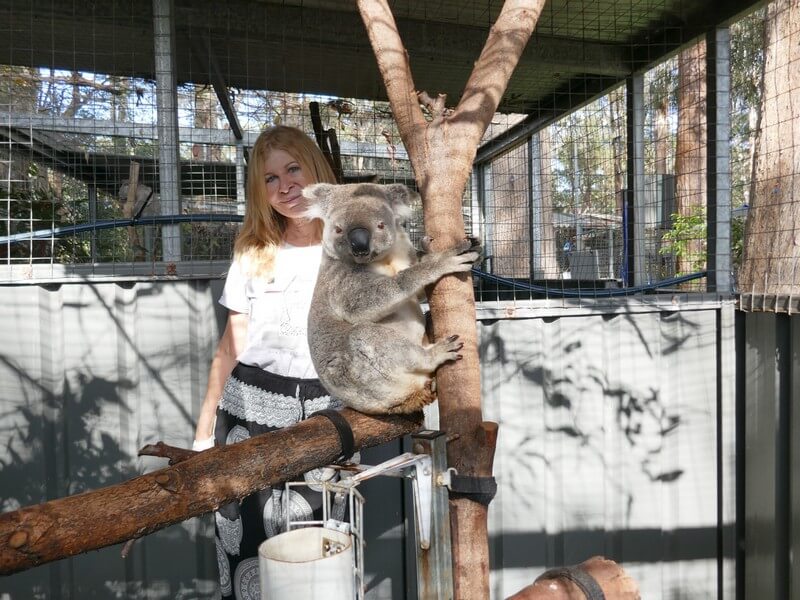
As someone who came for a relatively short time but took part in both the morning and afternoon shifts each day, I found it fascinating to observe how each shift manager carried out the same tasks slightly differently.
Each had their own specific methods and routines, which they followed strictly and sometimes they were even surprised to hear that things could be done in a adifferent way.
It felt a bit like stepping into parallel universes.
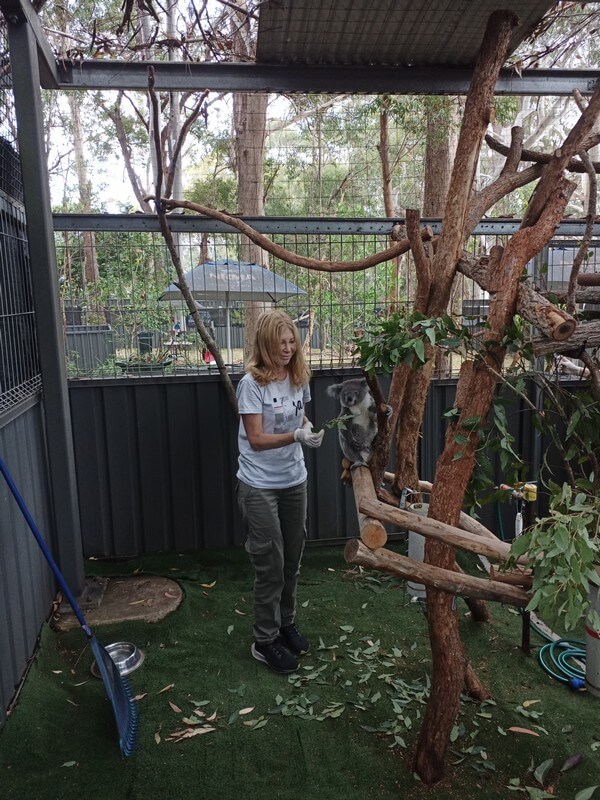
The volunteers’ daily routine includes cleaning the enclosures, carefully collecting and weighing the koalas’ droppings (small pellets that look like dried olives and smell pleasantly of eucalyptus), changing the water, soil, and eucalyptus branches, and providing a special nutritional formula to some of the koalas in rehabilitation.
Every day, each koala must be given a fresh bundle of eucalyptus branches, specifically the types it prefers. It’s truly heartwarming to see how happy they get, immediately starting to munch on the fresh leaves.
Some koalas enjoy human company and seek attention and play, while others need to be handled with care as they might bite.
The first koala I ever fed tried to steal my sunglasses…
In the afternoon, the branches are refreshed again, the enclosures are cleaned and tidied, everything is checked, and the koalas are wished goodnight… until the next morning.
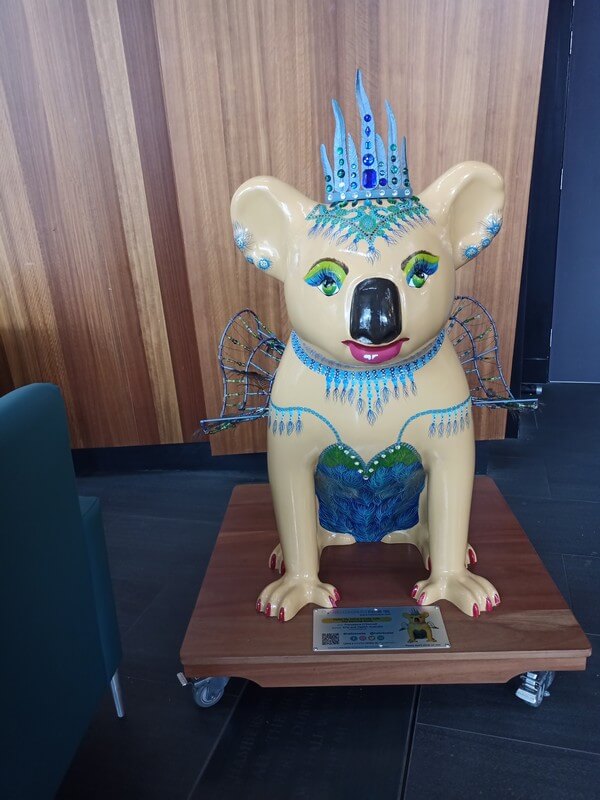
Traveling in Australia? Come and Visit!
The coastal resort town of Port Macquarie is located on Australia’s east coast, in the state of New South Wales. It’s about a two-hour drive from Newcastle Airport or four hours from Sydney.
The Koala Rehabilitation Centre in Port Macquarie is one of the region’s top tourist attractions. Many visitors travel long distances to see it. Some even come to Port Macquarie specifically to visit the koalas.

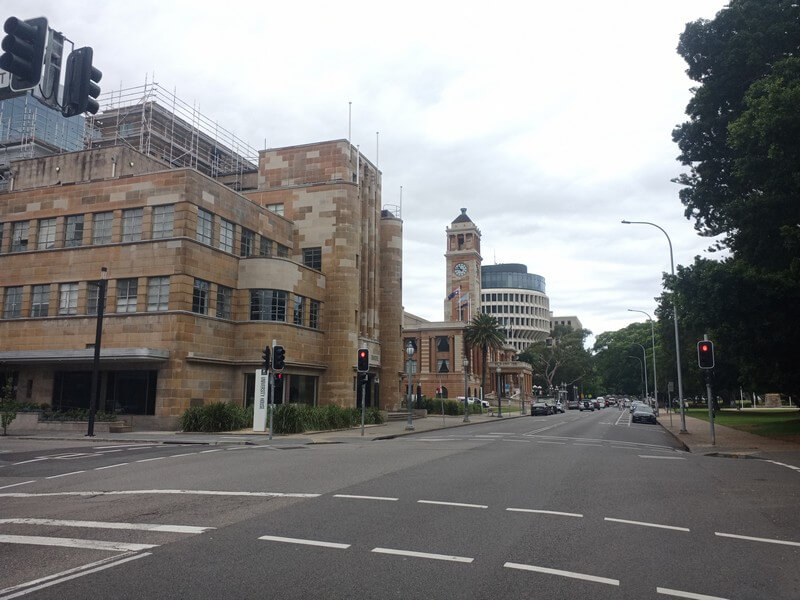
Admission and Tours Are Free – But Every Donation Helps
Entry to the Koala Centre and the guided tours are free of charge, but donations are highly encouraged to help maintain and support the facility. During the tour, you can observe the koalas up close, take photos with them (though touching is not allowed), and learn the unique story behind each one.
The gift shop is another important source of funding—every purchase helps save a koala!
There’s also a sweet way to support the cause through virtual adoption: you’ll receive a newsletter and updates on your adopted koala’s condition.
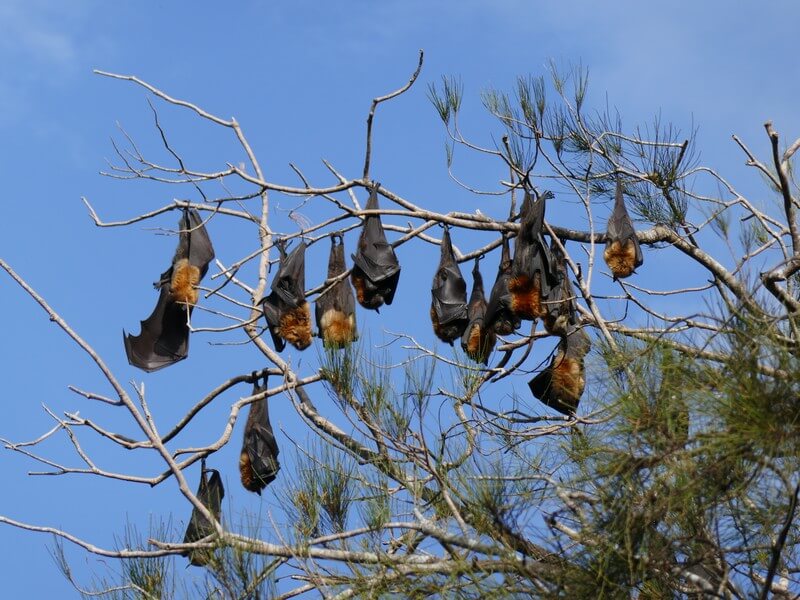
The town and its surroundings also offer beautiful nature trails, including colonies of flying foxes (fruit bats) along the way.
Volunteers Save Koalas During Australia’s Devastating Bushfires
Kerry Freer, a volunteer at the Koala Hospital for six years, shared with me the challenging times they went through:
The summer of 2020 was extreme even before the fires began. High temperatures and drought created harsh conditions for all wildlife, and many koalas arrived at the hospital starving and dehydrated.
When the fires broke out, they spread rapidly, carried by strong winds. Some fires started underground and moved beneath the surface, making them impossible to control.
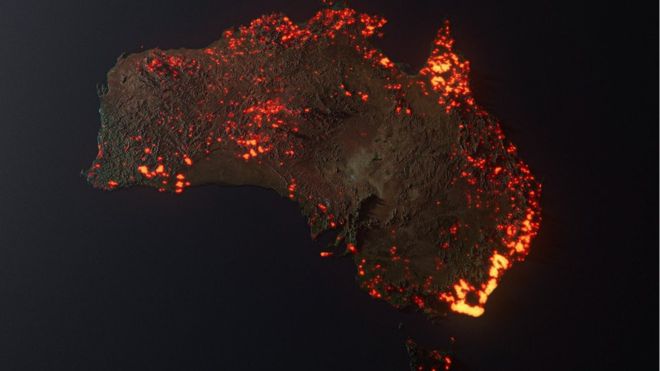
Because of the thick smoke, most of the town was shrouded in darkness. Even in the middle of the day, it was as dark as night. Only one street separated the raging fire from the hospital and the residents’ homes.
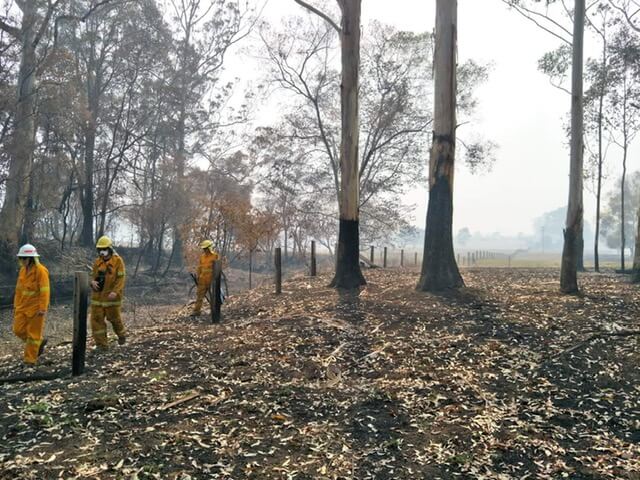
Volunteers who entered the fire zones to rescue koalas received training similar to that of firefighters, which allowed us to go deep into the burning areas to try to save as many animals as possible.
Alongside us were firefighters and a shooting squad who euthanized any animals that couldn’t be rescued or captured, to prevent them from suffering and dying in the fire.
Australia is accustomed to periodic local bushfires. After a fire, seeds and roots buried deep in the soil typically awaken, and new growth begins. But in this fire, nothing was left behind. Everything above and below ground was completely destroyed. Even cacti and seeds did not survive.
Only a few koalas managed to escape the flames. Most tried to climb to the treetops, and when the trees fell, they perished as well. Kangaroos, for example, couldn’t be saved because they wouldn’t allow themselves to be caught.
The hospital was completely full; we cleared every possible space and turned every corner into koala living areas. Due to their territorial nature, each koala needs its own enclosure, and it’s impossible to keep two koalas together. So we divided every available area and fenced off dozens of spots.
Out of all the koalas that arrived at the hospital, we managed to save about 50 percent and release them back into the wild. A few, however, suffered injuries that didn’t heal, and they remain at the hospital to this day.
Throughout that terrible time, we received immense support from the local community and residents of Port Macquarie, as well as donations from people around the world. People brought snacks, cakes, treats, donations, and medical supplies.
The scariest part for me was walking through the fire zone on burning ground, with trees burning and falling all around. It was a frightening and awful time. I hope never to experience anything like it again.
